
Variable spurge
Euphorbia variabilis
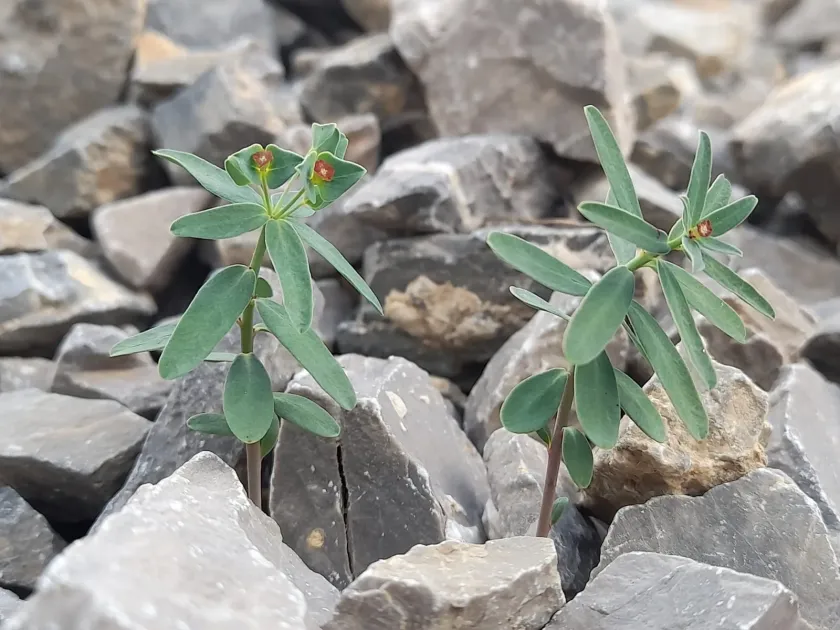
Description
Growing requirements
Variable spurge, scientifically known as Euphorbia variabilis, is a perennial herbaceous plant belonging to the Euphorbiaceae family. It is typically found in temperate regions and is well-adapted to semi-arid ecosystems.
The crop thrives in light, sandy, or well-drained soils. Its deep root system allows it to withstand significant periods of drought, making it a resilient option for regions with erratic rainfall patterns.
Sufficient sunlight is essential for the healthy development of Euphorbia variabilis. Exposure to full sun encourages better structural development and improves the chemical properties of the plant's sap.
From a botanical standpoint, the plant is characterized by its distinctive milky latex, which serves as a natural defense mechanism against many common herbivores and insects.
Agronomic management requires minimal intervention in terms of fertilization, provided the soil drainage is adequate. The plant is efficient at nutrient uptake and establishes itself well in environments where other crops might struggle.
Main diseases and pests
The primary diseases affecting Euphorbia variabilis are fungal infections, such as powdery mildew, which can significantly damage the foliage under high humidity and poor ventilation conditions.
Root rot is a major threat if the plant is grown in areas with poor drainage or during seasons of excessive rainfall. This often leads to total plant loss if not detected in the early stages.
Insect pests include specific leaf-eating beetles and occasional outbreaks of aphids. These pests can transmit viral infections, which are difficult to manage once they have become established in the field.
Effective pest management involves integrated practices such as regular scouting and the use of targeted biological controls where possible to maintain the ecological balance of the plantation.
Crop rotation remains the most effective prophylactic measure against soil-borne pathogens. Rotating with non-related families helps break the cycle of disease and ensures the long-term health of the field.