
Succulent spurge
Euphorbia succulenta
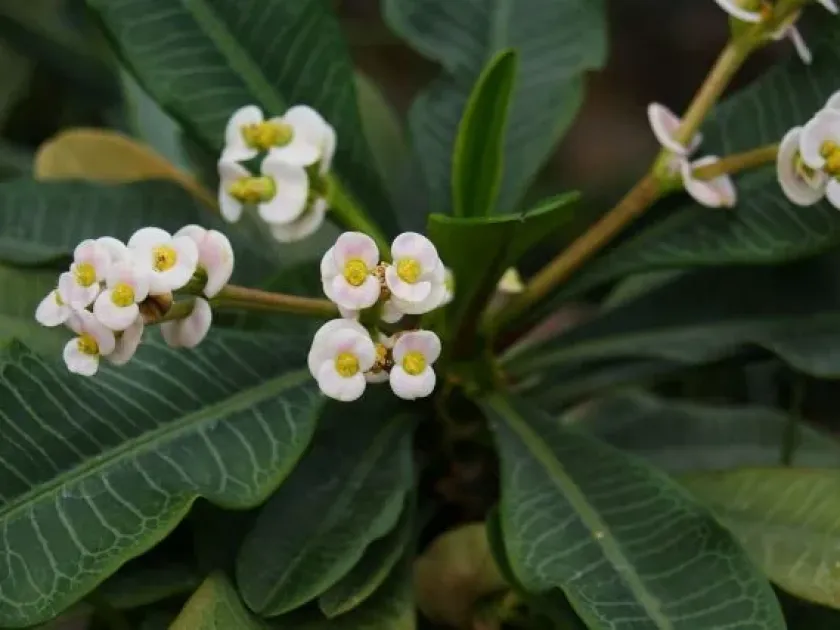
Description
Growing requirements
Succulent spurge (Euphorbia succulenta) belongs to the Euphorbiaceae family. It is a highly specialized plant capable of thriving in arid environments due to its succulent tissue structure.
The plant originates from desert and semi-desert regions, primarily in Africa. It is biologically adapted to extreme temperatures and prolonged drought conditions, making it a unique agricultural subject.
Successful cultivation requires a substrate with excellent drainage, usually a mix of sand, pumice, and low-nutrient soil. Heavy, clay-based soils are strictly unsuitable as they lead to root rot.
The crop requires intense sunlight to maintain its structural integrity and health. Shade-grown plants often become etiolated, which drastically reduces their market value and physiological resistance.
Agronomic management involves precise irrigation schedules. The soil must be allowed to dry out completely between waterings, particularly during the dormant season to mimic natural cycles.
Main diseases and pests
The most common threat to Euphorbia succulenta is fungal root rot, usually caused by overwatering or poor ventilation in the growing environment.
Common pests include mealybugs and spider mites. Mealybugs tend to hide in the crevices of the plant stems, making them difficult to detect at early stages of infestation.
Spider mites are especially prevalent in low-humidity conditions. Regular monitoring is essential to prevent these pests from causing significant aesthetic and physiological damage.
If an infestation is detected, physical removal or localized application of insecticidal soaps is recommended before resorting to stronger chemical control methods.
To ensure long-term health, growers should maintain adequate air circulation around the plants and ensure that any pruning tools used are sterilized to prevent the spread of pathogens.