
Madden's spurge
Euphorbia maddenii
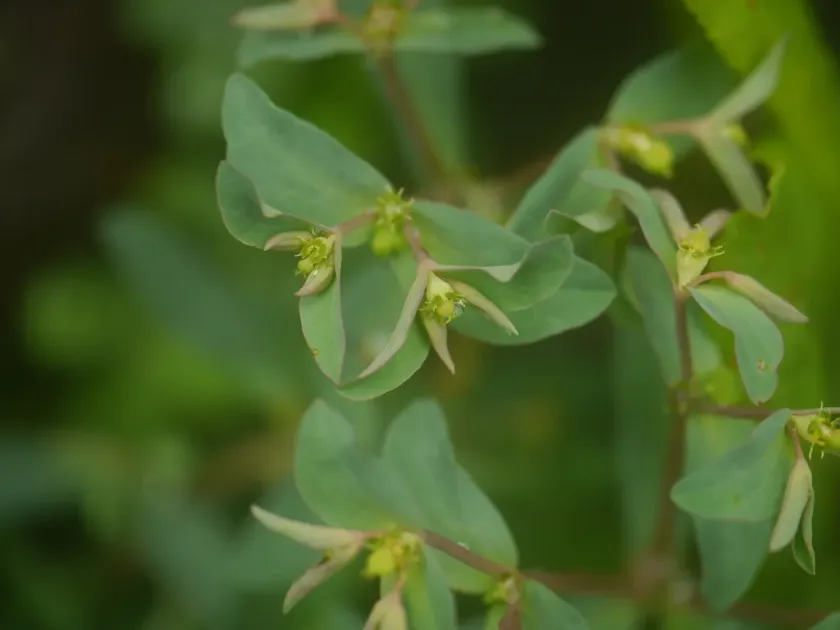
Description
Growing requirements
Madden's spurge (Euphorbia maddenii) is a perennial herbaceous plant belonging to the Euphorbiaceae family. Originating from the Himalayan region, this species is adapted to alpine and subalpine environments, often thriving in rocky or open mountain habitats where it demonstrates high resilience.
Botanically, the plant features a distinct erect stem and alternate leaves. Like other members of the genus, it contains a milky latex that plays a vital role in its defense mechanism against herbivores and pathogens, which is also a subject of interest for pharmaceutical researchers.
Regarding soil requirements, Euphorbia maddenii demands well-drained, porous substrates. In agricultural settings, it is crucial to avoid clay-heavy soils that retain moisture, as the plant is highly susceptible to root rot if the soil remains waterlogged for extended periods.
Climate preferences for this species are centered around temperate mountain conditions. It requires sufficient light exposure and is typically cold-hardy, making it a suitable candidate for cultivation in specific temperate zones where seasonal temperature variations are moderate.
The economic value of this crop is primarily linked to its biochemical profile. It is often cultivated for its potential use in specialized medicinal applications, requiring controlled field conditions to ensure the quality and consistency of the chemical compounds within the plant tissues.
Main diseases and pests
The primary pathological threats to Madden's spurge include fungal infections, particularly those triggered by excessive humidity. Diseases such as powdery mildew and various leaf spots are common in environments with poor air circulation.
Root rot, often caused by pathogens like Phytophthora, poses a significant risk. These diseases often emerge due to inadequate drainage or over-irrigation, leading to the decay of the root system and eventual plant collapse.
Pest infestations, notably by spider mites and aphids, can severely impair plant growth. These pests extract sap from leaves, which can lead to stunted development and the transmission of viral diseases if left unmanaged.
Integrated pest management strategies should focus on preventive measures. This includes maintaining optimal plant spacing to promote ventilation and monitoring soil moisture levels to create an unfavorable environment for fungal pathogens.
When applying chemical control agents, it is essential to follow precise application protocols to prevent the accumulation of toxic residues in the plants, thereby preserving the utility of the botanical harvest.