
Georgian spurge
Euphorbia iberica
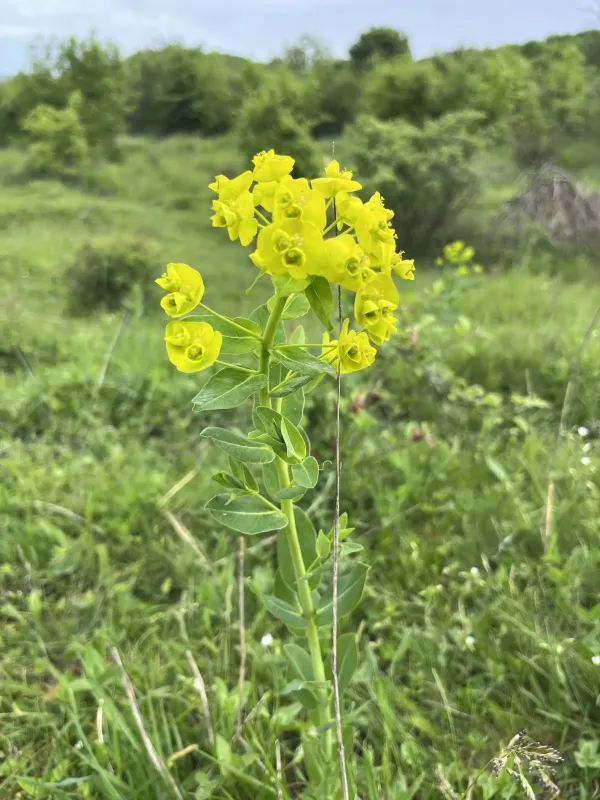
Description
Growing requirements
The Georgian spurge (Euphorbia iberica) is a herbaceous perennial plant belonging to the Euphorbiaceae family. Native to the Caucasus and Asia Minor, it has evolved to thrive in rocky, arid, and steppe environments.
This species is highly valued for its exceptional drought tolerance and preference for full sun exposure. It is perfectly adapted to climates where summer precipitation is minimal and light intensity is high.
Regarding soil requirements, the plant demands well-drained, porous substrates. It performs best in rocky, stony, or sandy soils and struggles significantly in heavy clay or waterlogged ground where roots may rot.
Botanically, Euphorbia iberica is characterized by its succulent-like properties, allowing it to store moisture in its stems. The plant produces a characteristic milky latex that acts as a natural defense system against herbivores.
In agricultural and landscape practices, this species is utilized primarily for rock gardens and xeriscaping. Its ability to stabilize soil and survive in nutrient-poor areas makes it a robust choice for difficult terrains.
Main diseases and pests
The most significant threat to the health of Euphorbia iberica is root rot caused by poor soil drainage. Maintaining a dry root zone during dormant periods is essential for long-term survival.
Aphids represent the most common insect pest, frequently colonizing the tender shoots of the plant. If left untreated, they can weaken the plant, though they rarely cause fatal damage to mature specimens.
Fungal diseases, such as powdery mildew, may occur if the plant is grown in high humidity with insufficient ventilation. Proper plant spacing is the primary preventive measure to ensure air circulation.
Spider mites can occasionally infest the foliage, especially during prolonged heatwaves. Treatment with appropriate miticides or biological controls is recommended if infestations become visible.
Due to the toxic nature of the sap, the plant is naturally resistant to most grazing animals and rodents, making it a low-maintenance option for public landscapes and open garden spaces.