
Edible Spurge
Euphorbia esculenta
Description
Growing requirements
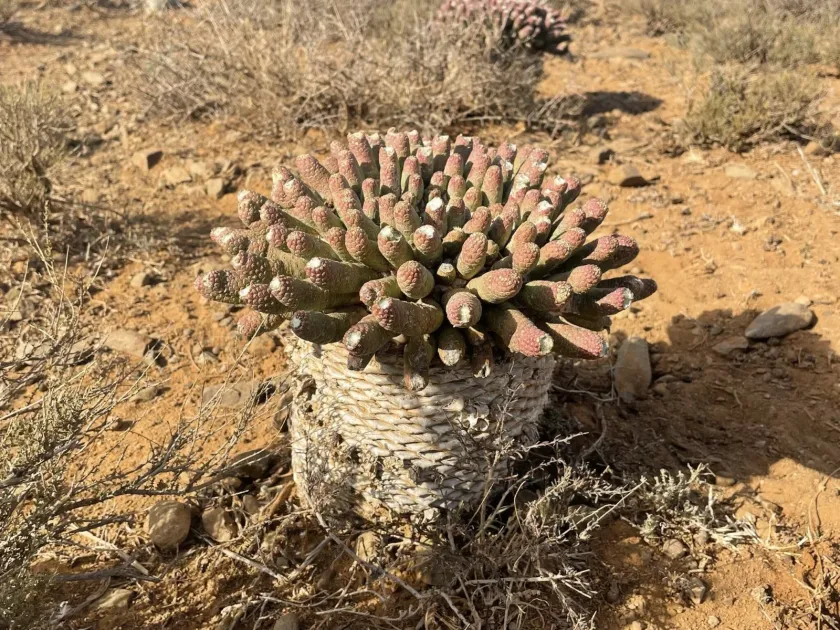
The edible spurge (Euphorbia esculenta) is a distinct member of the Euphorbiaceae family, native to the arid regions of Southern Africa. Its biology is centered around water storage, characterized by a bulbous, fleshy stem structure.
Successful cultivation requires soil that mimics its natural habitat: highly porous, gritty, and mineral-rich. Heavy clay soils are unsuitable as they prevent oxygen exchange and promote root stagnation, which is fatal for this species.
High light intensity is essential for the healthy development of Euphorbia esculenta. In greenhouse environments, supplemental lighting may be necessary during winter months to maintain the metabolic rate and prevent structural weakness.
The temperature requirements for this crop are relatively strict, needing consistent warmth above 20 degrees Celsius during the growing season. It cannot tolerate freezing temperatures, which cause tissue rupture and plant death.
Agrotechnical management focuses on precise irrigation. The goal is to avoid prolonged moisture around the root crown, utilizing a cycle of deep soaking followed by complete drying of the potting medium to ensure physiological vigor.
Main diseases and pests
Pathogenic fungi are the primary threats, specifically those causing basal rot and stem blight. Proper ventilation and sterile equipment are the best preventative measures against these pathogens in a controlled environment.
Mealybugs are the most common insect pests encountered in succulent cultivation. They target the tender parts of the plant and are best managed through proactive monitoring and application of horticultural oils or specialized insecticides.