
Coral spurge
Euphorbia corallioides
Description
Growing requirements
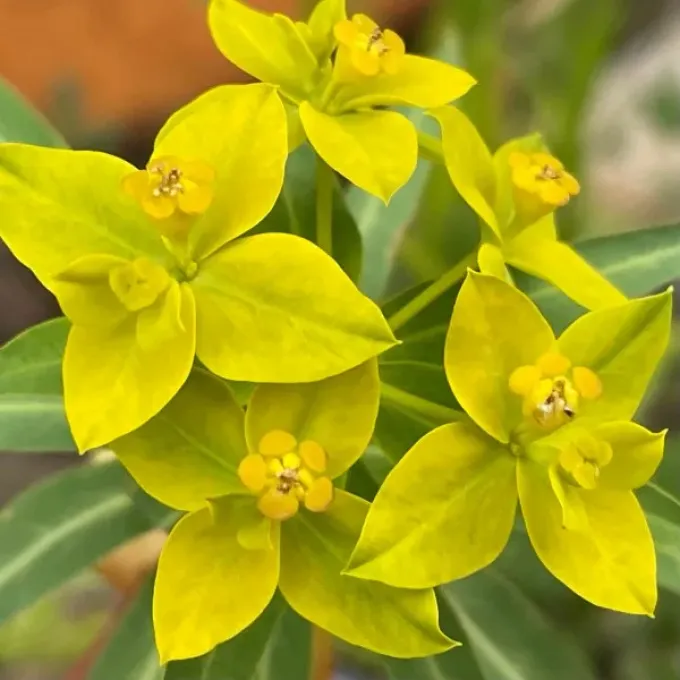
Coral spurge (Euphorbia corallioides) is a hardy perennial belonging to the Euphorbiaceae family. Native to the Mediterranean regions of Southern Europe, this plant has adapted to survive in rocky, well-drained soils, reflecting its evolutionary preference for sunny, rugged terrains.
The primary requirement for this culture is superior soil drainage. It thrives in gritty or rocky soil types where moisture does not accumulate. Gardeners should ensure that the planting site is elevated or modified with organic and inorganic amendments to prevent root rot, which is the most significant physiological risk.
Regarding light, the plant demands full sun exposure to maintain its structural integrity and health. Inadequate lighting results in leggy growth and reduced flowering, significantly lowering the plant's ornamental value. It performs best in locations that receive at least six to eight hours of direct sunlight daily.
Climatic requirements involve a preference for temperate conditions. While the plant shows remarkable tolerance to heat and occasional dry spells, it requires consistent care during the establishment phase. Once the root system is well-developed, its drought-resistant qualities become highly evident.
Agricultural use of Euphorbia corallioides is largely ornamental. It is highly valued for xeriscaping and rock gardens due to its low maintenance needs and ability to withstand challenging environmental conditions that would typically stress other botanical species.
Main diseases and pests
The primary threats to Euphorbia corallioides include various soil-borne pathogens. Phytophthora and Pythium species represent the most dangerous fungi, which thrive in waterlogged conditions and can systematically destroy the plant's vascular system, leading to rapid decline.
Insect pests, particularly aphids, frequently colonize the tender tips of the plant during the active growth phase. Infestations lead to severe foliage distortion and stunted development. Monitoring for early signs of aphid presence is critical for effective management.
Spider mites are another common pest, especially in warmer, arid microclimates. These tiny mites feed on cell contents, causing the foliage to appear speckled and chlorotic. If left untreated, severe infestations can lead to significant defoliation and weakened plant vigor.
Powdery mildew represents a foliage-related threat, usually occurring when air circulation is poor or humidity levels remain high for extended periods. The development of white mycelium on the leaves requires immediate intervention with appropriate fungicides to stop the spread.
Integrated pest management strategies should emphasize sanitation. Removing dead or diseased tissue, maintaining appropriate spacing between individual plants to promote airflow, and avoiding overhead irrigation are essential steps for maintaining a healthy and robust crop of coral spurge.