
Columnar spurge
Euphorbia columnaris
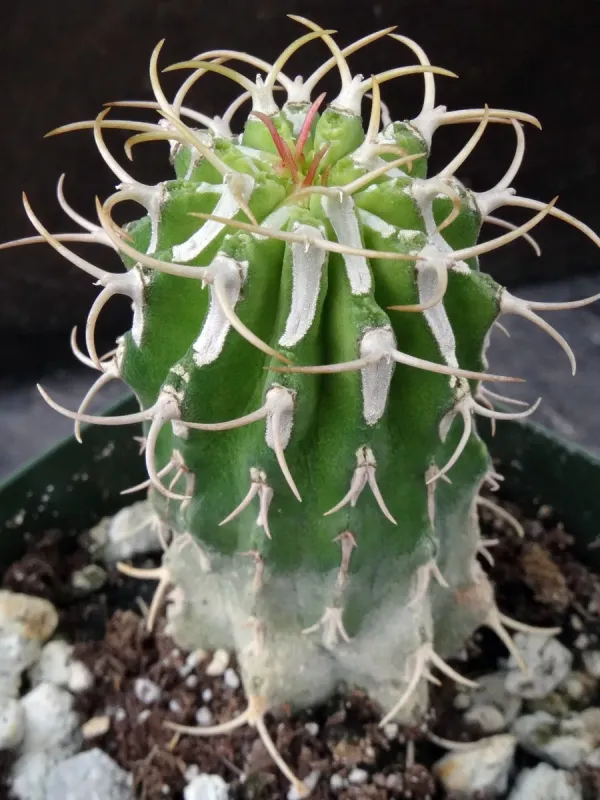
Description
Growing requirements
Euphorbia columnaris, commonly known as the columnar spurge, belongs to the diverse Euphorbiaceae family. This succulent is highly adapted to arid environments.
Originating from the harsh, stony landscapes of Africa, this species thrives in environments characterized by long periods of drought and high sunlight exposure.
Cultivation requires a specialized mineral-rich, extremely well-draining substrate. Using standard potting soils usually leads to root mortality due to waterlogging.
The plant demands a warm climate with optimal growth temperatures ranging from 22 to 30 degrees Celsius. In the dormant season, the plant must be kept dry and cool.
The main economic use of this plant is in the professional ornamental horticultural market, where it serves as a high-value collector's item.
Main diseases and pests
The primary pathological threat is stem and root rot caused by improper irrigation regimes. Once rot starts, the recovery of the columnar stem is often impossible.
Mealybugs are the most common pests for this species. They hide in the crevices of the stem, making manual removal or chemical treatment challenging.
Spider mites can become a significant issue in dry, poorly ventilated greenhouse environments where the humidity levels drop below critical thresholds.
Poor lighting conditions lead to structural weakness and etiolation, which permanently diminishes the aesthetic and commercial value of the specimen.
Integrated pest management should include periodic preventive sprays with systemic insecticides and strict adherence to moisture control protocols.