
Erythroxylum zeylanicum
Erythroxylum zeylanicum
Description
Growing requirements
Erythroxylum zeylanicum is a perennial evergreen shrub or small tree belonging to the Erythroxylaceae family. Native to the humid tropical regions of Sri Lanka, it thrives in protected environments that mimic its natural habitat. This species is recognized for its unique botanical profile and regional ecological significance.
Optimal growth conditions necessitate well-drained, nutrient-rich soils with a slightly acidic to neutral pH profile. The crop is highly susceptible to root rot if waterlogged, making the implementation of advanced drainage systems essential for soil management. Soil aeration is considered a primary priority in intensive farming.
The climate requirements include stable, high temperatures ranging from +22°C to +30°C and high relative humidity. The species is sensitive to extreme temperature fluctuations and prefers locations with moderate, diffuse sunlight, often requiring the use of shading nets during the early stages of cultivation in open fields.
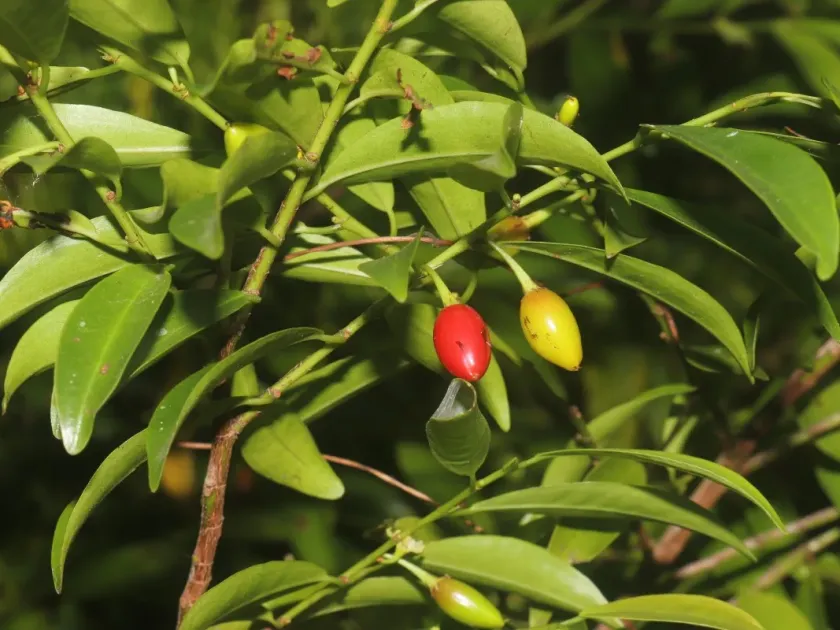
Botanically, the plant is characterized by its elliptical, leathery leaves and distinctive small flowers that transition into small drupes. The wood of the tree is known for its durability and resistance to pests, which has historically made it a valued material for local artisan crafts and small-scale timber production.
From an agricultural standpoint, maintenance includes systematic pruning to manage canopy density and facilitate efficient harvesting. Although not a mass-market commodity, the plant remains a subject of botanical interest for its potential applications in agroforestry and sustainable land use in its native tropical range.