
Erythroxylum sideroxyloides
Erythroxylum sideroxyloides
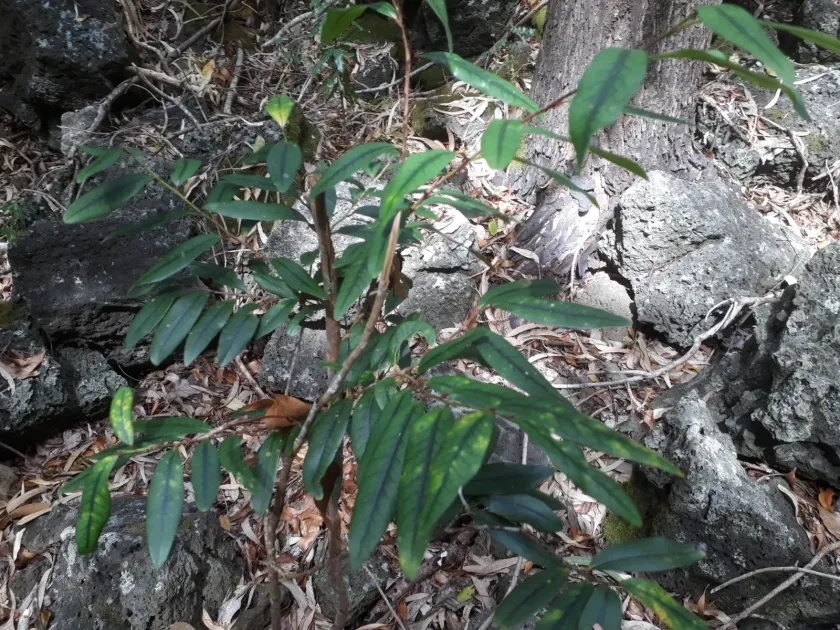
Description
Growing requirements
Erythroxylum sideroxyloides is a woody plant belonging to the Erythroxylaceae family. It exhibits distinct botanical characteristics typical of its genus, which include dense, leathery foliage and a highly developed root system adapted to nutrient-poor tropical soils.
The native habitat of this species is located in the tropical regions of South America. It is primarily found in rainforest environments where it thrives under high humidity and consistent tropical temperatures throughout the year.
The climate requirements for this culture are strictly tropical. It cannot tolerate frosts or severe cold snaps, which means that its cultivation is limited to tropical and sub-tropical regions that provide a stable, warm thermal environment.
Regarding soil, the plant prefers well-drained, acidic forest substrates that are rich in organic matter. Proper soil aeration is crucial to prevent the development of root rot, which is a common issue in overly compacted tropical soils.
Agricultural management requires careful shade control for younger plants. As they mature, they become more tolerant of direct sunlight, but initial establishment usually occurs best under a canopy or through the use of artificial shading techniques.
Harvesting
The economic value of this culture lies in its timber, which is highly regarded for its physical density and durability. It has been historically used in artisanal construction and the manufacturing of specialized tools.
Traditional usage also includes the extraction of specific phytochemicals. While these practices are regionally significant, they require professional supervision to ensure that the ecological health of the standing crop is not compromised.
Harvesting is typically carried out via selective logging practices. This ensures that the population of Erythroxylum sideroxyloides remains stable and capable of natural regeneration in its endemic habitat.
The potential for commercial plantation growth depends on the availability of high-quality seeds and the development of optimized nursery protocols to accelerate the growth of seedlings during their first years of life.
Continued research into the species is essential for identifying sustainable harvesting methods that balance the need for raw materials with the preservation of tropical forest biodiversity.