
Erythroxylum pictum
Erythroxylum pictum
Description
Growing requirements
Erythroxylum pictum is a perennial woody plant belonging to the Erythroxylaceae family. It is native to tropical regions where it thrives under the canopy of dense forests, requiring stable humidity levels year-round.
The crop demands a climate with consistently warm temperatures. Exposure to frost or sudden thermal fluctuations is detrimental to the plant, making it suitable primarily for tropical or controlled greenhouse environments.
Soil requirements for this species include excellent permeability and high organic matter content. While the plant appreciates moisture, it cannot tolerate waterlogging, which necessitates high-quality drainage systems in cultivation sites.
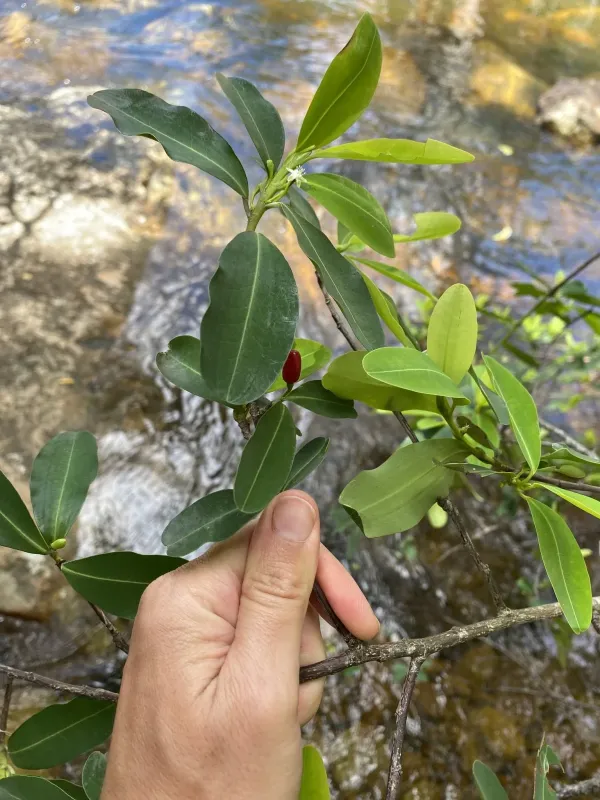
Botanically, it features simple, alternate leaves with a distinct texture and small, inconspicuous flowers. The species exhibits a slow-to-moderate growth habit, focusing its energy on root development in the early stages.
Standard agrotechnical practices involve providing partial shade, particularly for young specimens, to mimic its natural understory habitat and prevent dehydration of the foliage.
Main diseases and pests
The primary threats to this culture are root pathogens, often triggered by excessive soil moisture and poor ventilation. Fungal infections can rapidly compromise the integrity of the root system.
Insects such as spider mites and mealybugs are the most common pests encountered in greenhouse production, especially during periods of low humidity when the plant's natural defenses are strained.
Integrated pest management strategies are recommended to monitor for early signs of infestation, ensuring that any intervention is timely and targeted to protect the plant's delicate vascular system.
Leaf spots caused by bacterial or fungal agents can occur if irrigation methods involve overhead spraying rather than targeted root zone application.
Regular monitoring of the nutrient status of the soil is essential, as deficiency symptoms can make the plant more susceptible to opportunistic pathogens, reducing its overall resilience.