
Erythroxylum monogynum
Erythroxylum monogynum
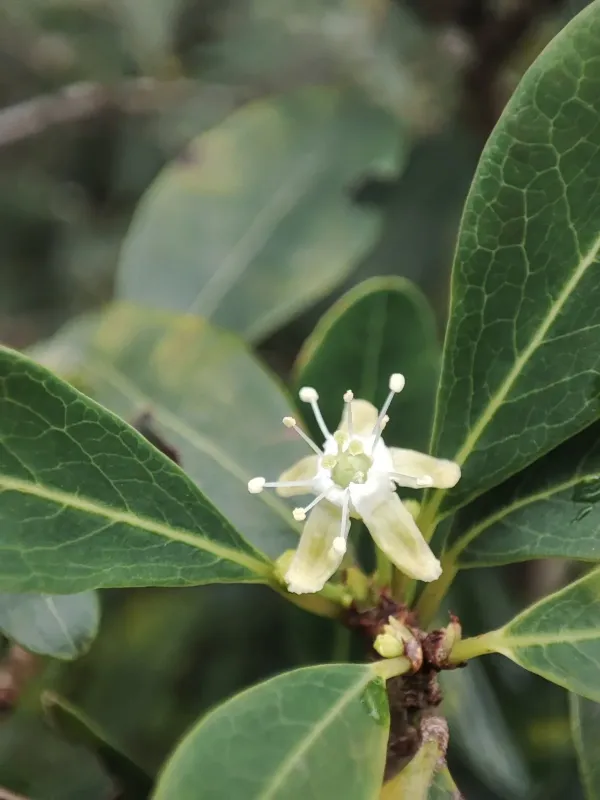
Description
Sowing dates
Propagation of Erythroxylum monogynum is primarily achieved through seeds, which must be harvested when fully mature. Sowing should take place in well-prepared nursery beds or containers using a mixture of sand and organic compost to ensure optimal aeration.
The seeds require a warm environment, ideally between 25 and 30 degrees Celsius, to initiate successful germination. Consistent moisture levels must be maintained without causing waterlogging, which could lead to seed decay.
Seedlings should remain in the nursery environment for several months until they develop a sturdy root system and reach a height of at least 30 centimeters. Gradual exposure to direct sunlight is necessary to acclimatize the plants before final transplantation.
When transplanting into the field, a spacing of 3 to 4 meters between trees is recommended to allow for adequate crown development. The site should be selected to avoid areas with heavy clay or poor drainage.
Proper irrigation during the initial establishment phase is crucial for seedling survival. As the plants mature, they develop deep root systems that significantly increase their tolerance to drought conditions.
Growing requirements
Erythroxylum monogynum belongs to the Erythroxylaceae family and is native to the dry tropical forests of India and Sri Lanka. It is highly adapted to arid conditions and thrives in habitats where other tree species might struggle.
This species demands full sun exposure to maintain its metabolic activities and structural integrity. It is an evergreen woody plant that prefers well-drained, slightly acidic to neutral soils with low nutrient content.
Climatic requirements involve stable tropical temperatures with minimal seasonal fluctuations. Extreme cold is detrimental, and the plant should be protected from temperatures near freezing, which can cause severe physiological stress.
The soil should have excellent drainage properties to prevent root pathogens. While it is tolerant of rocky substrates, the addition of light organic mulch can help regulate soil temperature and moisture levels during the peak of the dry season.
Regular maintenance involves light pruning to manage the canopy and improve airflow, which is essential for preventing the buildup of pests in dense foliage. The plant's growth rate is moderate, requiring patience during the early stages of cultivation.
Yield
The primary economic output of Erythroxylum monogynum is its dense, fragrant wood, which is often used as a substitute for sandalwood. The wood contains valuable essential oils extracted via steam distillation for various industrial uses.
Bark and leaf extracts are utilized in traditional medicine, particularly for their therapeutic properties. Harvesting of these parts must be performed sustainably to ensure the long-term viability of the population.
The yield of essential oil is a major factor determining the commercial value of the crop. Mature trees produce higher concentrations of volatile compounds, making them the preferred focus for sustainable wood harvesting.
In addition to industrial uses, the plant has potential applications in reforestation projects due to its ability to colonize degraded, arid environments. This provides ecological benefits alongside potential economic returns.
Proper harvest management, which includes controlled selection of wood, allows for a continuous supply of raw material without permanently damaging the trees or the local ecosystem.
Main diseases and pests
Root rot, caused by fungal pathogens in waterlogged soils, represents the most significant threat to the health of Erythroxylum monogynum. Proper soil management is the primary defense against these diseases.
Pests such as scale insects can infest the branches and leaves, causing a decline in overall vigor. Early detection and the application of appropriate biological control methods are necessary to prevent large-scale damage.
Foliar diseases, including powdery mildew, can occur during periods of high humidity or poor ventilation. Ensuring proper spacing between trees helps reduce the moisture accumulation that favors fungal growth.
Nutrient deficiencies, particularly involving micronutrients, may manifest as chlorosis or stunted growth. Regular monitoring and soil testing are essential to maintain the health and productivity of the trees.
Mechanical injuries to the bark provide entry points for secondary infections. Therefore, careful handling and maintenance operations are critical to avoid creating wounds that could lead to wood-decaying organisms.