
Erythroxylum mexicanum
Erythroxylum mexicanum
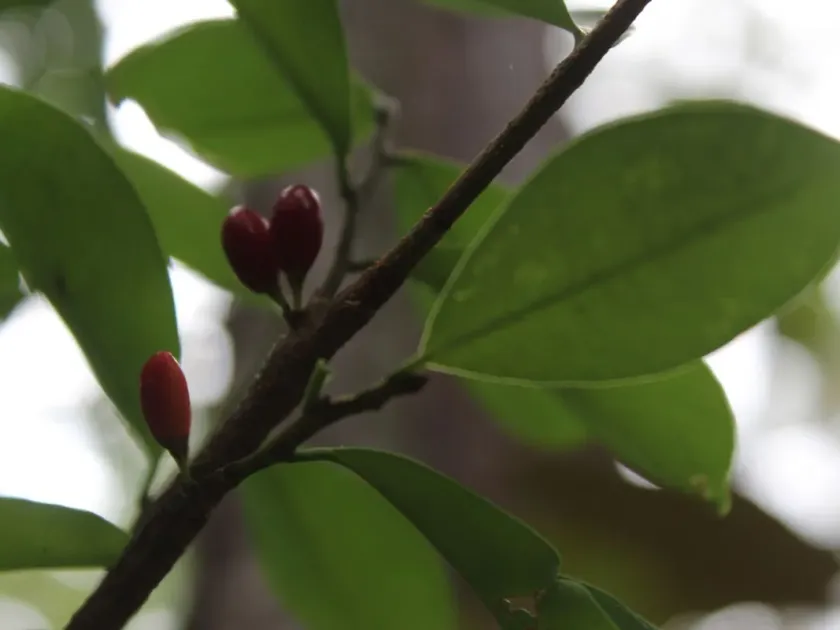
Description
Growing requirements
Erythroxylum mexicanum is a woody plant species belonging to the Erythroxylaceae family. Originating from Mexico and Central America, it typically grows as a small to medium-sized shrub or tree, thriving in diverse tropical ecosystems within its native range.
The species requires a climate that avoids freezing temperatures and prefers well-drained soil types. It is highly sensitive to waterlogging, necessitating a substrate with excellent aeration to prevent root rot, which is one of the most common issues in professional cultivation.
Optimal growth conditions involve exposure to full sunlight or light partial shade, which allows for robust development of the canopy. In agricultural practice, maintaining a consistent supply of nutrients, particularly organic matter, ensures the plant reaches its full physiological potential during the active growing season.
Cultivation techniques involve regular irrigation, particularly in juvenile stages, while monitoring for soil moisture balance. As the plant matures, its tolerance to minor environmental variations increases, though consistent conditions are always preferred to maintain the quality of the plant's structural and chemical characteristics.
Economic uses of Erythroxylum mexicanum focus on its secondary metabolites and potential role in restorative forestry. It is also valued for its ornamental properties in tropical landscaping, where its structural form provides excellent cover and biodiversity support.
Main diseases and pests
Significant threats include fungal pathogens that exploit high-humidity environments, which can damage foliage and stems if not managed with proper spacing. Implementing a rigorous pruning schedule is essential to improve airflow and reduce the incidence of such diseases.
Insect pests, including various species of scales and mites, remain a persistent challenge in managed crops. Integrated pest management (IPM) strategies, which prioritize biological control and targeted, low-toxicity applications, are recommended to maintain plant health without disrupting the local ecosystem.