
Erythroxylum hypericifolium
Erythroxylum hypericifolium
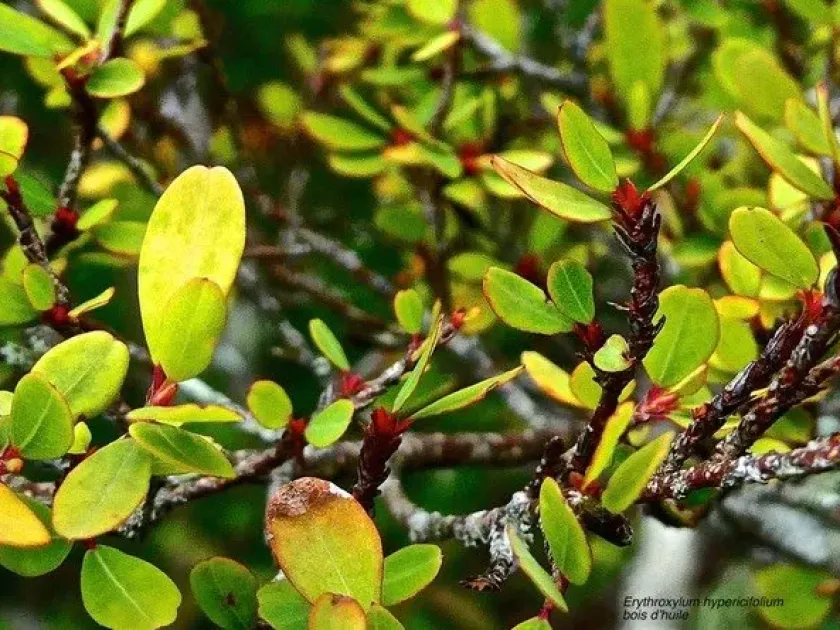
Description
Growing requirements
Erythroxylum hypericifolium is a shrub or small tree belonging to the Erythroxylaceae family. It is primarily found in the Mascarene Islands, exhibiting unique adaptations to its native tropical environment where humidity is high and climate is stable.
The cultivation of this plant requires a tropical environment with temperatures consistently above freezing. It thrives in well-lit areas but should be protected from direct, scorching midday sun to prevent leaf damage in juvenile stages.
Soil requirements are strictly linked to drainage. A porous, nutrient-rich substrate with a slightly acidic pH is ideal for promoting healthy root development. Heavy clay soils are unsuitable and should be avoided or heavily amended.
Agronomic management involves regular but moderate irrigation. The soil must be kept moist but never waterlogged. Fertilization programs should focus on nitrogen and potassium balance to support the production of foliage throughout the growing season.
Host plant utilization is mainly scientific and botanical rather than large-scale agricultural. It serves as an interesting specimen for conservatory collections, highlighting the diversity of the tropical flora within the Indian Ocean region.
Main diseases and pests
Common pests associated with this species include scale insects and spider mites. These pests thrive in dry indoor conditions and can cause significant damage to the plant's leaf surface if left unmonitored.
Root rot is the most prevalent disease, typically resulting from poor drainage or excessive watering. It can compromise the plant's ability to absorb water and nutrients, often leading to rapid decline.
Fungal leaf spot diseases may appear during periods of poor air circulation. These pathogens flourish in stagnant, humid environments and can lead to severe defoliation.
Regular inspection is essential for early detection of potential infestations. Maintaining a consistent air flow around the plant's crown is a vital cultural control measure.
Integration of biological control agents and sustainable fertilizers helps maintain the health of the plant without relying heavily on harsh chemical treatments.