
Erythroxylum argentinum
Erythroxylum argentinum
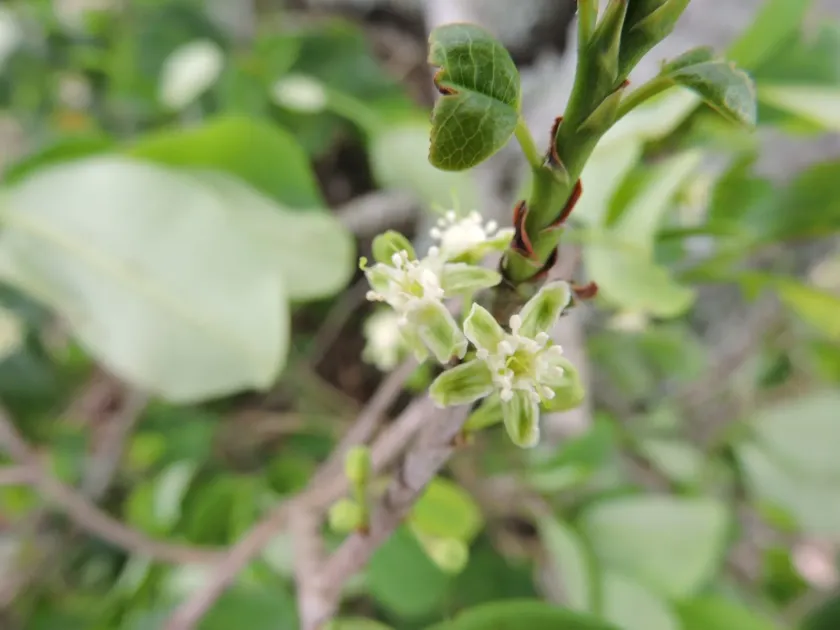
Description
Sowing dates
Sowing Erythroxylum argentinum requires careful preparation of the substrate and stable greenhouse conditions. The ideal time for sowing is during the early spring to ensure the seedlings receive increasing day length and stable heat.
The seeds possess a thick outer layer, so soaking them in a warm growth-promoting solution prior to planting significantly increases germination rates. Using a high-quality, well-draining seed mix with perlite is highly recommended for success.
Seeds should be sown at a depth of approximately 1 centimeter, ensuring they are covered with a fine layer of moist substrate. Keeping the container covered with clear plastic maintains the necessary humidity until the first true leaves emerge.
Once seedlings have developed their first set of true leaves, they should be transplanted into individual pots to avoid root competition. Proper spacing and light availability are crucial to prevent the seedlings from becoming leggy.
Temperature management during the initial growth phase must be kept between +22 and +25 degrees Celsius. Sudden temperature drops or cold soil can halt the metabolic processes of young plants, leading to early developmental failure.
Growing requirements
Erythroxylum argentinum belongs to the Erythroxylaceae family and is native to warm tropical environments. The plant thrives in bright, filtered light and should be protected from harsh, direct sunlight that can scorch the leaves.
The soil must be fertile, acidic to neutral in pH, and exceptionally well-draining. Incorporating organic matter along with inorganic drainage agents helps create the optimal root environment that prevents waterlogging and rot.
Maintaining high humidity, ideally between 65% and 75%, is essential for this species. In lower humidity environments, regular misting or the use of automated humidification systems is necessary to keep the foliage healthy and lush.
The species is sensitive to temperature extremes and should ideally be grown in a range of +20 to +30 degrees Celsius. It does not tolerate frost or cold drafts, which are common limiting factors in non-native climates.
Regular fertilization with a balanced, liquid fertilizer during the active growing season supports healthy development. Foliar feeding can also be beneficial if the soil conditions are slightly suboptimal for nutrient absorption.
Main diseases and pests
The plant is susceptible to common greenhouse pests such as spider mites, scale insects, and aphids. Regular monitoring of the leaf undersides is essential for early detection and mitigation of potential infestations.
Root rot caused by fungal pathogens is the most significant threat to the survival of the plant. This condition typically arises from improper watering schedules or poorly draining substrate that leaves roots in stagnant water.
Fungal leaf spots can occur in environments with poor air circulation or excessively high humidity without proper ventilation. Ensuring good airflow around the canopy reduces the risk of these infections significantly.
Managing threats involves both physical removal of pests and the application of mild, organic horticultural soaps if infestations occur. Avoiding excessive nitrogen fertilization can also prevent the appearance of soft growth that attracts aphids.
Preventive maintenance, including the use of sterile tools and clean growing areas, minimizes the risk of introducing pests and diseases. If an infection is identified, immediate quarantine of the affected plant is necessary to protect others.
Harvesting
Harvesting for commercial or research purposes is conducted by selectively picking mature leaves during the peak growth cycle. Morning hours are preferred, as the chemical content of the foliage is typically at its highest.
The use of sharp, sterilized blades for pruning ensures minimal stress to the mother plant. Properly harvested plants will quickly regenerate, allowing for repeated harvests throughout the season under good maintenance.
Post-harvest handling requires quick transport to a controlled drying area to avoid fermentation or enzymatic breakdown. Maintaining a consistent temperature in the drying facility is vital to protecting the plant's compounds.
Dried leaves should be stored in a cool, dark environment within airtight containers to prevent moisture re-absorption. This method maintains the stability of the plant material over long periods of storage.
Final quality control involves checking for dryness, color uniformity, and the absence of extraneous debris. Proper drying and packaging ensure the end product meets the required standards for its specific application.