
Ephedra americana
Ephedra americana
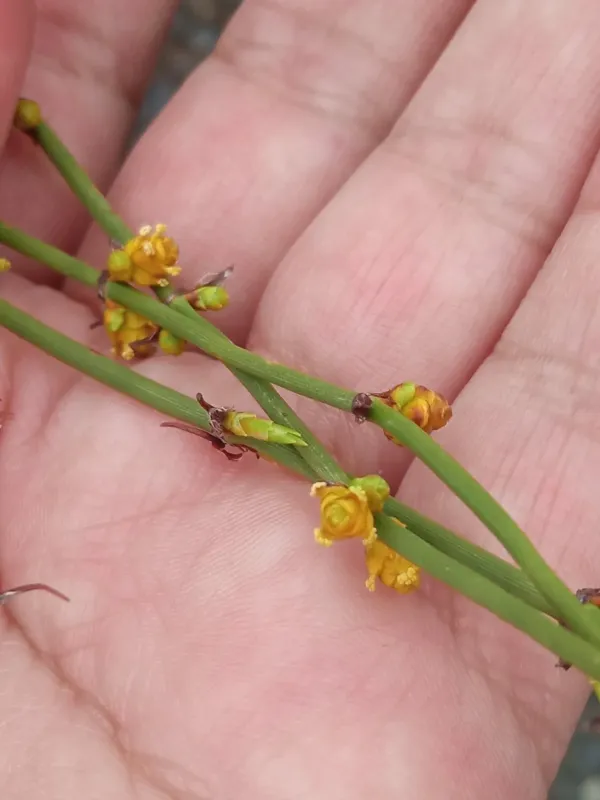
Description
Sowing dates
The sowing of Ephedra americana in agricultural conditions is carried out primarily in the spring, once the soil temperature reaches 12–15 degrees Celsius. To achieve high germination rates, seeds require a stratification period of 30–60 days in cool conditions to break dormancy.
When sowing, it is crucial to maintain a planting depth of no more than 1–2 centimeters to ensure successful sprouting. Vegetative propagation, such as division of rootstocks or stem cuttings, is also a viable method that allows for the maintenance of specific genetic traits and faster establishment of plantations.
The selection of the planting site should prioritize areas with ample sunlight, as Ephedra is a heliophilic plant. Shaded environments will inhibit shoot development and negatively affect the accumulation of secondary metabolites in the plant tissues.
Planting density is adjusted based on the intended harvesting method, with typical row spacing ranging from 60 to 90 centimeters. This provides sufficient room for root system development and facilitates mechanical weeding and inter-row cultivation during the early growth stages.
After the emergence of seedlings, thinning is performed to maintain optimal stand density. Initial irrigation is necessary to support young plants until they become fully established and adapted to the specific field environment.
Growing requirements
Ephedra americana belongs to the Ephedraceae family and is a perennial evergreen shrub adapted to specific environmental niches. Originating from South America, it naturally thrives in mountainous terrain and rocky slopes.
The crop has low fertility requirements, performing well on sandy, rocky, or loamy substrates that possess excellent drainage. The ideal soil pH ranges from slightly acidic to alkaline, reflecting its native adaptation to diverse geographical conditions.
The plant demonstrates remarkable drought resistance due to its xerophytic structure, featuring reduced leaves and photosynthetic stems. While hardy, commercial production benefits from supplemental irrigation during prolonged drought periods to maximize biomass yield.
Climate stability is essential for successful cultivation, as the plant is sensitive to abrupt fluctuations in temperature combined with high humidity. It is cold-tolerant in winter, provided the root neck is protected from severe frost by snow or organic mulch.
Agrotechnical maintenance primarily involves regular hoeing to suppress weeds and improve soil aeration. Excessive application of mineral fertilizers, particularly nitrogen, should be avoided as it may lead to lush vegetative growth at the expense of the concentration of alkaloids.
Harvesting
The harvest of Ephedra americana biomass is conducted during the phase of peak vegetative activity, typically in the second half of summer, to ensure the highest concentration of active compounds.
Mowing is performed at a height of 10–15 centimeters above the ground level, which promotes rapid regeneration of the shrub in subsequent seasons. Successive harvesting on the same field should be limited to once every 2–3 years to maintain plantation vigor.
Collected plant material must be dried immediately in well-ventilated sheds or industrial dryers at temperatures not exceeding 45 degrees Celsius. Exceeding this temperature may degrade essential chemical components, significantly reducing the market value of the crop.
Once dried, the raw material is cleaned of debris and soil before being processed into bales or shredded for storage. Proper storage conditions, specifically protection from moisture and sunlight, are critical to preserving the quality of the harvested product.
Harvesting operations should only be carried out during dry weather to prevent mold growth during the drying process. Utilizing modern mechanical harvesting equipment allows for greater operational efficiency and improved economic returns for the grower.