
Encalypta brevicolla
Encalyptra brevicolla
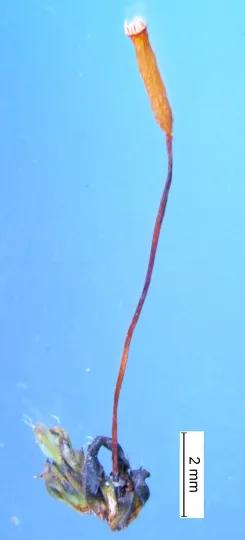
Description
Growing requirements
Encalypta brevicolla is a moss species belonging to the family Encalyptaceae. It is a perennial plant that grows in clusters and is typical of high-latitude regions, where it thrives in harsh environmental conditions.
The distribution of this species is circumpolar, found in arctic and subarctic regions of North America, Europe, and Asia. It prefers mineral-rich substrates such as limestone cliffs, scree, and stony tundra ground.
Botanically, it is distinguished by its short, capsule-like sporophytes and lingulate to lanceolate leaves that wrap closely around the stem when dry. The plant possesses a unique mechanism for spore dispersal in the arctic wind.
It requires cold, stable climates with minimal competition from vascular plants. Soil moisture is critical, yet the plant cannot survive in waterlogged conditions, preferring well-drained rocky niches.
In terms of agricultural relevance, it is not a crop. It serves ecological functions as a pioneer species in colonizing bare rocky surfaces and as a key component of the soil crust in tundra ecosystems.
Main diseases and pests
The primary threat to Encalypta brevicolla is the changing arctic climate, which affects the moisture cycles and the stability of the rocky habitats the moss depends on for its survival.
While not a target for agricultural pests, the species is susceptible to air pollution. Heavy metals and acid rain can severely inhibit its growth and reproductive success in exposed northern environments.
Fungal pathogens may cause localized dieback, particularly during unseasonably warm and humid periods, which can lead to the collapse of the dense turf formation of the moss colonies.
Mechanical disturbance from human infrastructure and mining activities remains a significant factor in habitat fragmentation and loss for this slow-growing bryophyte.
Small population sizes and low genetic diversity in some isolated areas make the species highly vulnerable to stochastic environmental events that may occur in the fragile arctic landscape.