
Axinandra
Axinandra
Axinandra is a genus of tropical trees belonging to the Melastomataceae family. These plants are native to the moist, warm regions of South and Southeast Asia, including Sri Lanka, where they flourish within the complex structure of tropical rainforest ecosystems.
What the section contains

Axinandra
To thrive, Axinandra requires specific environmental conditions, primarily characterized by high humidity levels and consistent, frost-free temperatures. The soil preference for this genus typically includes deep, well-draining loams that are capable of maintaining moisture without becoming waterlogged.
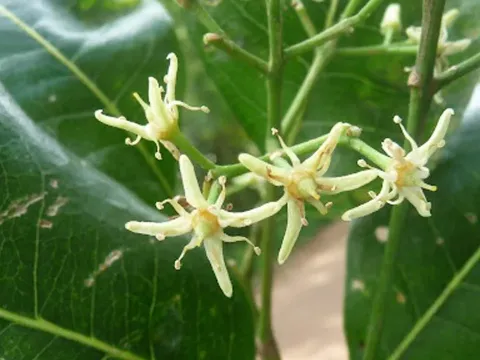
Botanically, Axinandra exhibits distinct features such as opposite, simple leaves with characteristic venation patterns. The flowers are small, often produced in axillary or terminal inflorescences, and are structured to facilitate successful pollination by local insect species within their native habitat.
In terms of economic utility, Axinandra is primarily valued for its durable timber, which serves local construction needs. While it is not a mainstream agricultural crop, its role in forest management and the potential for sustainable timber production within its native range are subjects of interest for local silviculture.
Management of Axinandra in nurseries requires meticulous attention to light and water levels. Seedlings often require partial shading to protect them from excessive heat, and soil fertility management must be balanced to ensure steady growth without inducing mineral toxicity or nutrient imbalances.
The primary threats to Axinandra involve fungal pathogens that thrive in high-humidity environments, leading to root rot and collar rot. Furthermore, various wood-boring insects can damage the stems of mature trees, while leaf-eating larvae pose a constant risk to the vitality of young, developing saplings in wild and cultivated settings.