
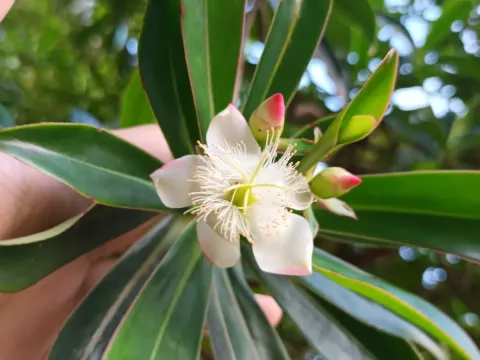
Ploiarium
Ploiarium
Ploiarium is a genus of evergreen woody plants belonging to the family Tetrameristaceae. These plants are native to the tropical forests of Southeast Asia, where they thrive in specific humid environments.
What the section contains

Ploiarium
The culture requires consistently moist, acidic soil conditions, often mimicking the peat-rich environments found in their natural habitats of tropical marshes and swamps.
High relative humidity is essential for the healthy development of Ploiarium leaves, which are typically leathery and designed to cope with lush, humid forest conditions.
In terms of temperature, this genus demands a warm, tropical climate year-round, as it is highly sensitive to cold stress and freezing temperatures.
Light management is crucial: while the plants need sufficient energy, they should be kept out of direct, harsh sunlight to prevent leaf scorch and dehydration.
Fungal pathogens associated with overly stagnant water and poor ventilation are the primary health threats to this plant species in a controlled environment.
Common greenhouse pests, particularly spider mites, pose a significant risk if the air moisture levels fall below the required threshold for extended periods.
Scale insects can colonize the stems, and their presence requires immediate attention to prevent structural damage and secondary infections.
Root rot is the most common result of improper irrigation techniques or a substrate that lacks the necessary structure for healthy gas exchange.
Preventive maintenance involves regular inspection of the foliage and ensuring that the ambient temperature remains constant to reduce stress on the plant.