
Meiogyne monosperma
Meiogyne monosperma
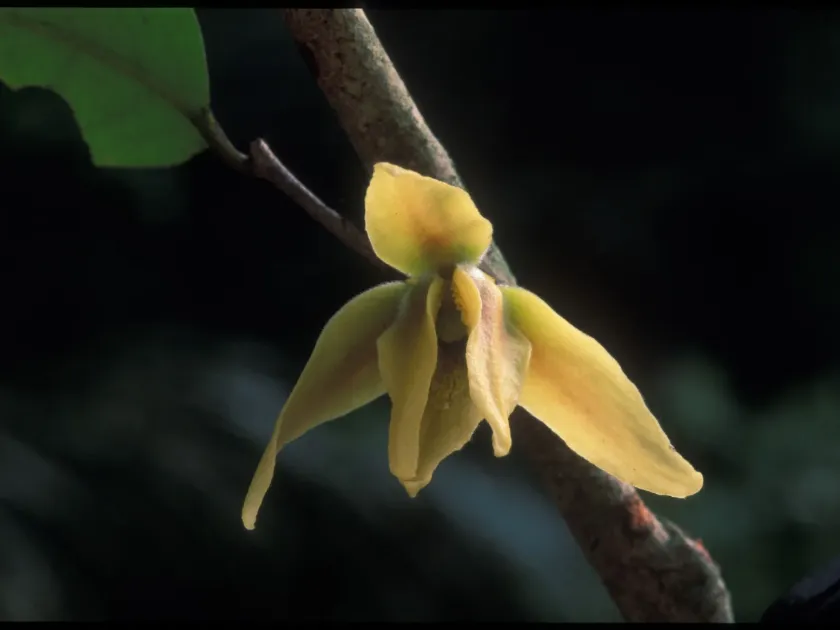
Description
Growing requirements
Meiogyne monosperma is a woody plant species belonging to the Annonaceae family. Naturally occurring in the tropical rainforests of Australia, it typically grows as a small, dense tree or shrub, maintaining evergreen foliage throughout the year.
The cultivation of this species necessitates a tropical environment characterized by high humidity levels and constant warmth. It is highly sensitive to frost and cold snaps, which means it must be strictly protected from any temperature drops below tropical norms.
When it comes to soil management, the plant thrives in rich, organic-heavy, and well-drained substrates. Proper drainage is the most critical factor in soil preparation, as the root system of Meiogyne monosperma is prone to rot in waterlogged environments.
Botanically, the plant is known for its distinct flowering patterns and solitary fruit formation. These biological traits define its reproductive strategy in the wild, which informs how researchers and growers approach its propagation in managed agricultural settings.
Agricultural techniques for this species focus on maintaining adequate light levels—preferably bright, filtered sunlight—and providing consistent soil moisture. Regular monitoring for nutrient deficiencies is recommended, as the plant responds well to controlled, slow-release fertilizers.