
Asimina reticulata
Asimina reticulata
Description
Growing requirements
Asimina reticulata, commonly known as the netted pawpaw, is a shrub belonging to the Annonaceae family. It is native to the sandy scrublands of Florida, where it has adapted to specific ecological niches.
The plant thrives in well-drained, sandy soils that are nutrient-poor. Unlike some of its relatives, it does not tolerate heavy, waterlogged clay soils, as these conditions rapidly lead to root decline.
It requires full sun exposure to maintain its characteristic growth form. In its natural range, it is often found in areas that have experienced recent fire, suggesting a reliance on disturbance and high light levels.
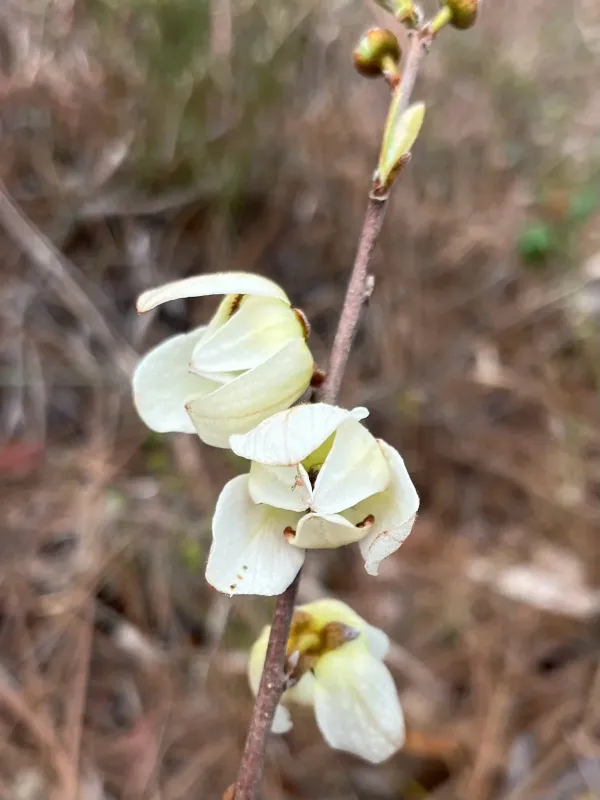
The botanical structure includes long, narrow leaves with a distinct reticulated venation pattern. The flowers are typically white or cream-colored, appearing in spring, and possess a unique floral scent that attracts various insect pollinators.
While not a major commercial fruit crop like Asimina triloba, it holds value for native plant enthusiasts and collectors of temperate and subtropical exotics. It is mostly cultivated for ornamental and biodiversity conservation purposes.
Main diseases and pests
Asimina reticulata is susceptible to root pathogens if the soil drainage is inadequate. Managing water supply is the most critical aspect of avoiding fungal infections in the root zone.
Pests are primarily limited to larval stages of specific butterflies that utilize the leaves as a food source. While usually not devastating to a mature plant, heavy infestations can slow down the development of saplings.
Root-knot nematodes can be an issue in certain sandy substrates, particularly in regions where the plant is not endemic. Implementing soil solarization or using organic amendments can help mitigate these soil-borne threats.
In humid or stagnant air conditions, powdery mildew may appear on the foliage. Ensuring adequate space between individual plants promotes airflow and serves as an effective preventative measure.
Overall, the health of the plant is best managed through optimal placement in the landscape. By mimicking its native environment, the risk of disease is significantly reduced without the need for intensive chemical intervention.