
Asimina obovata
Asimina obovata
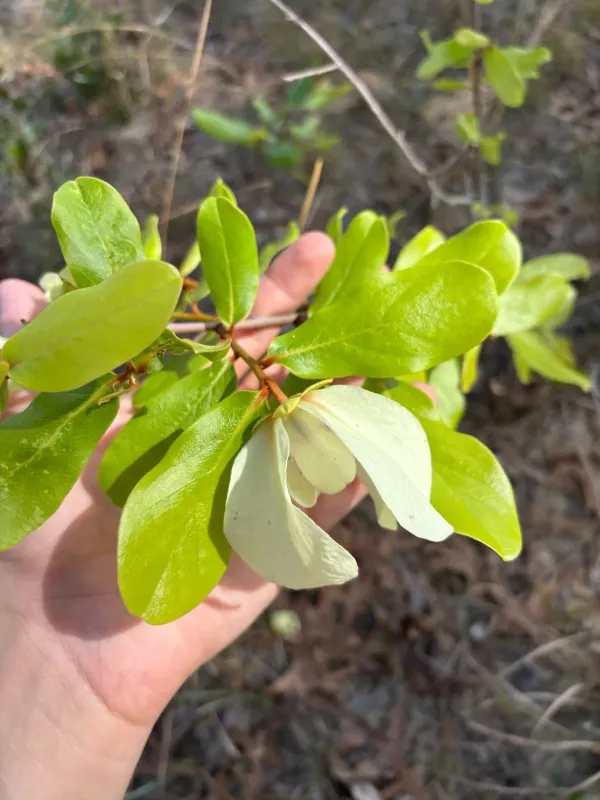
Description
Sowing dates
Propagation of Asimina obovata is primarily done through seeds, which require a cold stratification period of three to four months. This mimics the natural winter cycle necessary to break seed dormancy.
Deep pots are essential for sowing, as the species develops a long taproot early in its life cycle. Transplanting young seedlings is challenging, so sowing in their final nursery container is often preferred.
The planting medium should be light, well-draining, and rich in organic matter. Sowing depth should be approximately 2–3 cm, followed by a light watering to settle the soil around the seed.
Germination is often slow and erratic. Patience is required, as the subterranean growth phase is significant before the first true leaves emerge above the soil line.
Once seedlings are established, they should be protected from direct intense sunlight. A light-filtered environment encourages steady growth and prevents leaf scorching.
Growing requirements
Asimina obovata, commonly known as the bigflower pawpaw, belongs to the Annonaceae family. It is native to the scrub and sandhill habitats of Florida, making it quite distinct from the more temperate northern species.
This plant thrives in warm, humid climates and prefers sandy, well-drained soils. It is less cold-hardy than its cousin Asimina triloba and is typically suited for USDA zones 8 and warmer.
Light requirements vary with age; young plants prefer dappled shade, while mature specimens can handle full sun provided they have consistent moisture levels in the root zone.
Organic mulching is highly recommended to replicate the natural leaf litter environment, which helps maintain soil moisture, regulate root temperature, and provide essential nutrients.
Consistent water availability is critical. While the species is adapted to well-drained soils, it does not tolerate prolonged drought during the peak of the growing season.
Yield
As a horticultural crop, Asimina obovata is valued primarily for its botanical interest and the potential for fruit production. However, fruit yield in cultivation is generally lower compared to the common pawpaw.
The fruit is a fleshy, edible berry, though its culinary quality and size can vary significantly between wild populations. Fruit ripening typically occurs in late summer or early autumn.
For optimal production, cross-pollination between different genetic individuals is recommended. Hand pollination can be utilized to improve fruit set in isolated garden settings.
Growth rate is relatively slow, and plants may take several years to reach maturity. Patience is a prerequisite for any grower interested in harvesting the fruit of this species.
The ornamental value of the large, fragrant white or creamy flowers often outweighs the commercial fruit production potential, making it a sought-after species for collectors.
Main diseases and pests
This species is generally resistant to many common garden pests due to the presence of annonaceous acetogenins in its leaves and wood, which act as natural deterrents.
In greenhouse settings, mites and scale insects can become problematic if the air remains stagnant and overly dry. Proper ventilation is the best preventive strategy.
Leaf spot fungi may appear during excessively wet and cloudy conditions. Providing adequate space between plants to allow for airflow is crucial for disease prevention.
Root rot is the most lethal threat to Asimina obovata. It is almost exclusively caused by overwatering or poor drainage systems in pots and landscape soil.
Monitoring the soil moisture levels is the most effective way to protect the plant from pathogens. Ensure that the water drains freely away from the base of the plant.