
African custard-apple
Annona senegalensis
Description
Growing requirements
Annona senegalensis, commonly referred to as the African custard-apple, is a prominent member of the Annonaceae family. Native to tropical Africa, this species is naturally found in diverse environments, ranging from coastal forests to arid savannas, showcasing its high adaptive capacity.
The plant requires a tropical climate characterized by distinct wet and dry seasons. It thrives under full sun exposure, which is crucial for the development of its aromatic, edible fruits. While it is known for its remarkable drought tolerance, consistent fruit set is best achieved when the tree receives adequate moisture during the growing phase.
Regarding soil requirements, the species is highly versatile, although it performs optimally in well-drained loams or sandy soils. Soil acidity is not a major limiting factor, as it can grow in slightly acidic to neutral substrates, provided that drainage is excellent to prevent root asphyxiation.
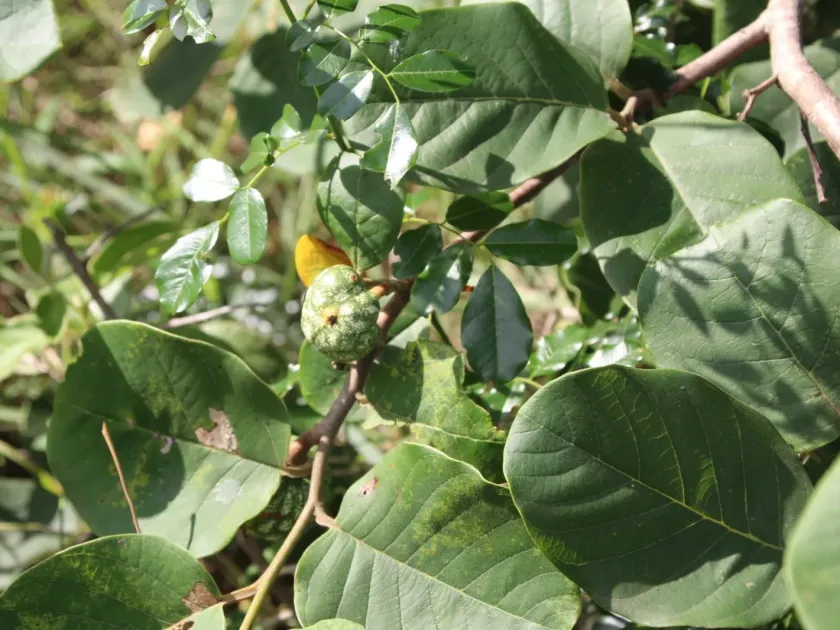
Botanically, this evergreen shrub or small tree possesses leathery leaves and produces spherical to conical fruits that turn yellowish-orange upon ripening. The structure of the tree allows it to be used as a windbreak or for soil erosion control in agroforestry systems.
Economically, the African custard-apple serves as a vital food source for local communities. The fruits are consumed raw or prepared in various dishes, while the leaves, roots, and bark are extensively used in traditional medicine for their therapeutic properties.
Main diseases and pests
Common pests affecting this culture include scale insects and mealybugs, which congregate on the underside of leaves and stems. Regular scouting and the application of horticultural oils or organic soap solutions are effective management strategies for commercial stands.
Fungal diseases, including leaf spot pathogens, can impact the tree if humidity levels remain excessively high for extended periods without adequate air circulation. Implementing proper pruning techniques to open the canopy is essential to minimize disease prevalence.