
Annona coriacea
Annona coriacea
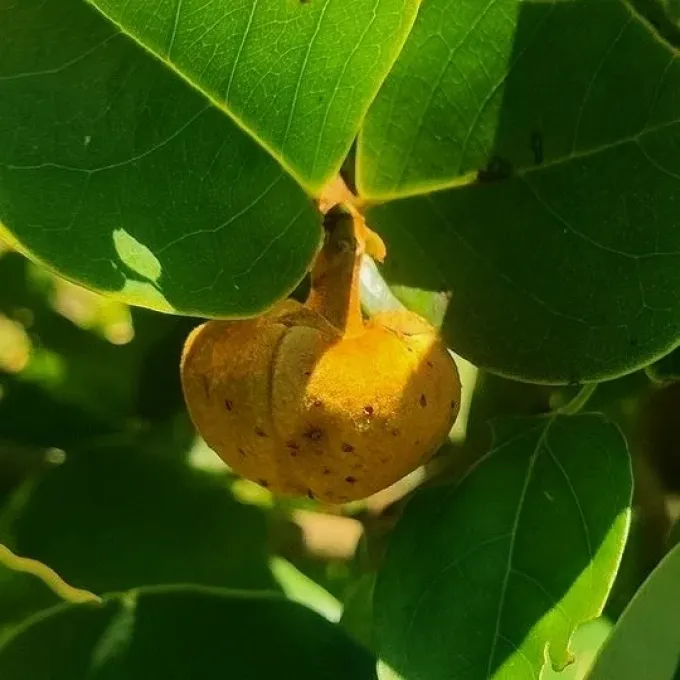
Description
Growing requirements
Annona coriacea is a species of evergreen tree belonging to the Annonaceae family. It is native to the Cerrado and savanna regions of South America, specifically in Brazil, where it thrives in diverse ecosystems.
The plant requires well-drained, fertile soil to reach its full potential. It is particularly well-adapted to environments where periodic drought occurs, making it a robust choice for certain tropical regions.
Regarding climate, this tree demands warm temperatures and does not tolerate frost. Providing full sun exposure is essential for vigorous growth and the production of healthy, high-quality fruit.
Botanically, it is distinguished by its thick, leathery leaves which serve as an adaptation to reduce water loss. The flowers are specialized and typically require specific insect pollinators to set fruit effectively.
In terms of agricultural use, the fruits are highly valued for their unique sweet flavor and texture. They are typically harvested for local markets, where they are consumed fresh or used in culinary preparations.
Main diseases and pests
The primary concern for cultivation is fungal infection due to excessive moisture around the roots. Growers should focus on selecting well-draining soil sites to prevent potential root rot issues.
Fruit flies represent a major threat to the harvest quality. Implementing integrated pest management strategies, such as physical fruit bagging, can significantly reduce losses.
Mealybugs are known to infest the foliage and young shoots of the tree. Keeping the canopy clean and thinning out dense growth can help prevent heavy infestations from developing.
Anthracnose is a frequent issue during wet seasons, manifesting as dark spots on the fruit and leaves. Regular pruning is necessary to maintain adequate airflow and reduce humidity within the tree structure.
Maintaining balanced soil fertility is crucial for overall plant vigor. A healthy tree is inherently more resilient against standard pests and local diseases found in tropical orchards.