
Turkestan spinach
Spinacia turkestanica
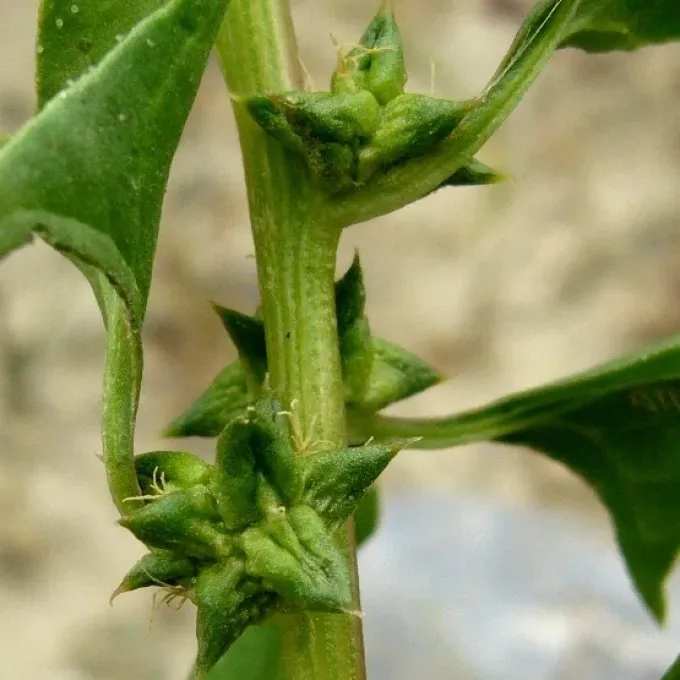
Description
Sowing dates
Turkestan spinach is a cold-hardy crop, making it ideal for early spring sowing as soon as the soil warms up to 4–6 degrees Celsius. In milder climates, it can also be sown before winter to ensure a very early harvest of nutritious greens.
The seeds should be sown in rows with spacing of 20–25 centimeters between them. The planting depth is typically 2–3 centimeters, which provides the best conditions for germination when soil moisture is consistent.
To ensure a continuous supply of greens, it is recommended to sow in batches with intervals of 10–14 days. This staggered approach helps maintain fresh production throughout the growing season without creating an unmanageable harvest surplus.
Maintaining stable soil moisture during the germination phase is critical. If the surface dries out, seeds may fail to germinate properly, leading to thin and uneven stands that reduce the overall yield potential of the plot.
At an optimal temperature of 15–18 degrees, seedlings emerge within 7–10 days. Once the second or third true leaf appears, thinning is necessary, leaving approximately 10 centimeters of space between plants to allow for proper development.
Growing requirements
This crop belongs to the Amaranthaceae family and is native to the mountainous regions of Central Asia. Its natural habitat has provided it with high environmental plasticity, allowing it to adapt to various climatic conditions with relative ease.
The plant thrives in fertile loamy soils with a neutral or slightly alkaline pH level. Incorporating organic matter, such as well-rotted compost or manure, into the soil during autumn tillage significantly improves the structural quality and moisture retention for the upcoming season.
While the crop prefers well-lit areas, extended day length can trigger premature bolting. Choosing a site that offers partial shade during the peak heat of the day can help maintain vegetative growth and prevent the plant from entering its reproductive stage too soon.
High moisture requirements must be met throughout the entire growing season. Regular watering is essential for producing tender leaves; a deficit in water can cause leaves to become tough and fibrous, often leading to undesirable increases in nitrate accumulation.
Fertilization should be balanced and moderate. Using organic amendments is preferred over synthetic nitrogen fertilizers, as the latter can lead to excessive accumulation of nitrates in the leaves, which negatively impacts the quality of the harvest.
Main diseases and pests
The main threats to Turkestan spinach include fungal diseases like downy mildew and various root rots, which often thrive in humid conditions and overcrowded plantings. Proper spacing and good air circulation are the best preventative measures.
Pests such as leaf miners and aphids can cause significant damage. Leaf miners create tunnels inside the leaf blades, which renders the produce unfit for market due to aesthetic damage and loss of plant vigor.
Integrated pest management strategies should include crop rotation to break the lifecycle of soil-borne pests and pathogens. Additionally, maintaining a weed-free area around the crop is essential, as weeds often act as hosts for many insect pests.
Using row covers or floating horticultural fleece can effectively protect the plants from flying insects during their active egg-laying periods. This non-chemical approach is particularly beneficial for greens where pesticide application is discouraged.
Regular field scouting is recommended to identify early signs of infestation. Early detection allows for targeted, localized control measures, which prevents the spread of pests throughout the entire crop area and minimizes the need for drastic interventions.
Harvesting
Harvesting begins when the leaf rosette reaches a marketable size, typically 30–45 days after emergence. Harvesting is best performed in the early morning hours, as the leaves are most turgid and have the highest moisture content at that time.
The harvest technique can be either a single-cut operation or a selective harvest. In selective harvesting, individual mature leaves are removed, which encourages the plant to continue producing new growth for a longer period.
Post-harvest handling is critical because spinach loses freshness very quickly. Immediate cooling of the produce is necessary to prevent wilting and to preserve the shelf life and nutritional value of the harvested leaves.
Transportation should be carried out using well-ventilated crates to prevent heat buildup and mechanical damage to the tender tissues. Maintaining a temperature range of 0–2 degrees Celsius during transport ensures the highest quality upon reaching the consumer.
Turkestan spinach is highly versatile in its culinary uses, suitable for fresh salads, cooked dishes, soups, or processing such as drying and freezing. It is valued for its rich content of vitamins, minerals, and dietary antioxidants.