
Faurie's chaff-flower
Achyranthes fauriei
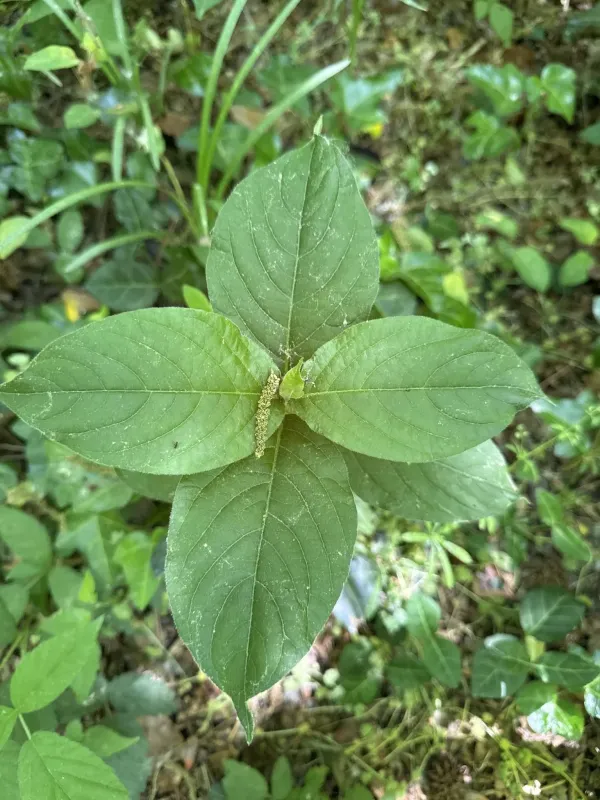
Description
Sowing dates
Sowing of Faurie's chaff-flower should take place in the spring when soil temperatures stabilize between 12 and 15 degrees Celsius. Early May is generally considered the optimal window for most temperate regions.
Seeds should be pre-treated to enhance germination rates, as the plant can exhibit uneven emergence. Placing the seeds at a depth of 1–2 cm in well-prepared seedbeds is ideal for establishment.
Row spacing should be maintained between 45 and 60 cm to allow for effective aeration and weed control. Within the rows, plants should be spaced at least 25 cm apart to avoid overcrowding.
Using a mechanical precision seeder can significantly improve the uniformity of the stand. For larger operations, this ensures that each plant has adequate space to develop its root system.
Applying a light cover of mulch or using agricultural fleece can help retain soil moisture during the sensitive germination phase. This ensures more consistent growth across the entire field.
Growing requirements
Faurie's chaff-flower is a light-demanding crop that requires full sun to maximize the concentration of active compounds in its roots. Avoid locations with significant shade from trees or buildings.
The crop performs best in light, sandy-loam soils with excellent drainage properties. Soils that are prone to waterlogging should be avoided to prevent root rot and other physiological disorders.
While the plant is somewhat drought-tolerant once established, regular irrigation is necessary during the early development phase. Providing consistent moisture promotes a more robust and uniform root yield.
Regular cultivation between rows is essential to manage weed pressure and improve soil aeration. Proper aeration is crucial for the development of the secondary root systems of the plant.
Nutrient management should focus on a balanced application of phosphorus and potassium, which support root expansion. Avoid excessive nitrogen, as it may result in rank vegetative growth at the expense of root quality.
Yield
The yield of Faurie's chaff-flower is primarily measured by the dry root mass collected during harvest. Production potential increases significantly when irrigation and soil nutrient management are strictly controlled.
Cultivars selected for high saponin content should be prioritized to ensure that the harvested product meets industrial pharmaceutical standards. High-quality inputs contribute to a higher market value.
Implementing drip irrigation systems has shown promising results in increasing the total biomass of the roots by 20–30%. This technology also helps to mitigate the negative effects of irregular rainfall patterns.
Consistency in field management practices ensures stable harvest results year over year. Farmers should aim for an optimal density to balance individual plant size with total field output.
Regular harvesting of high-quality roots at the end of the second year usually results in the highest yield-to-effort ratio. This timing aligns with the peak biological maturity of the plant's root structures.
Main diseases and pests
The plant is relatively resilient, but it can be susceptible to soil-borne pathogens under conditions of excessive moisture. Maintaining healthy soil structure through proper rotation is the first line of defense.
Wireworms and other subterranean pests can cause damage to the developing roots. Monitoring for pest activity before planting is recommended to ensure minimal damage to the young rootstock.
Fungal diseases like powdery mildew may appear during humid, warm conditions. Keeping the crop canopy clear of weeds improves air circulation and naturally reduces the risk of such infections.
Effective weed management is critical during the first few months of the plant's life. If weeds are allowed to dominate, the growth of the chaff-flower can be severely stunted.
Integrating cultural practices like crop rotation prevents the buildup of pathogens in the soil. Avoiding the cultivation of related species in the same field for multiple years is essential for disease prevention.
Harvesting
Harvesting usually takes place in late autumn when the plant begins to go into senescence. This period ensures that the roots have accumulated the maximum concentration of therapeutic constituents.
Mechanical harvesters, such as undercutters, are used to lift the roots from the soil. Care must be taken to minimize mechanical damage to the root skins, which could decrease the shelf life and quality.
Once harvested, the roots must be thoroughly washed to remove all soil and debris. This process requires careful handling to ensure that all side roots remain intact and free of contamination.
Drying the roots is a delicate stage that requires controlled temperatures to prevent the degradation of active compounds. Using specialized dehydrators is highly recommended for commercial production.
After reaching the target moisture content, the product should be stored in a cool, dry, and dark environment. Proper packaging that allows for some ventilation is necessary to maintain quality for up to two years.