
Salsola paulsenii
Salsola paulsenii
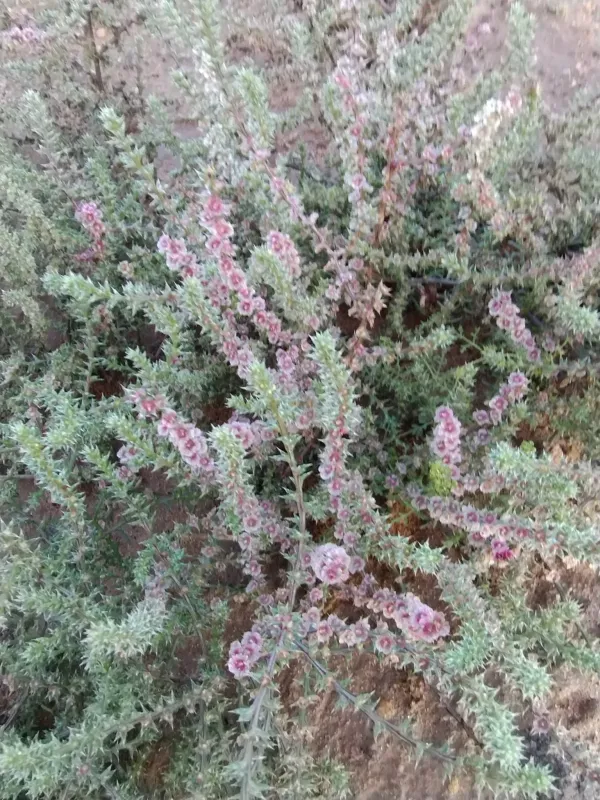
Description
Growing requirements
Salsola paulsenii is an annual herbaceous plant belonging to the Amaranthaceae family. It is well-recognized for its adaptation to desert and semi-desert environments, serving as a key species for soil stabilization in arid zones.
The plant originates from the arid regions of Central Asia and parts of the Middle East. It has evolved to survive in extreme heat and low precipitation, showcasing remarkable resilience in harsh soil conditions including high salinity levels.
Botanically, it features highly branched stems and linear leaves covered in fine hairs. This structure effectively reduces water loss and helps the plant maintain metabolic functions during periods of severe drought.
Salsola paulsenii thrives in sandy and saline soils, showing a preference for open, well-lit areas. It does not tolerate shading and requires intense solar radiation to reach its full vegetative potential during the growing season.
Economically, it is valued primarily as a hardy forage crop for camels and small ruminants. It provides essential minerals and nutrients when other vegetation remains scarce, making it a critical asset for livestock in arid regions.
Main diseases and pests
The primary threats to the cultivation of Salsola paulsenii include various grasshopper species that can cause widespread defoliation if left unmonitored during the early stages of plant development.
Fungal pathogens are generally rare due to the arid environment; however, root rot can occur if soil moisture levels remain unnaturally high, potentially leading to significant stand thinning.
Competition from invasive xerophytic weeds can impede the establishment of the crop. Proper land preparation and management are necessary to ensure that the seedlings obtain sufficient resources to dominate the habitat.
Overgrazing poses a substantial risk to the sustainability of these populations, as constant grazing pressure prevents the plant from setting seeds and completing its natural life cycle.
Integrated pest management strategies are recommended to protect young stands, focusing on minimizing damage from rodents and insect pests that tend to aggregate in areas with concentrated vegetation.