
Salsola frankenioides
Salsola frankenioides
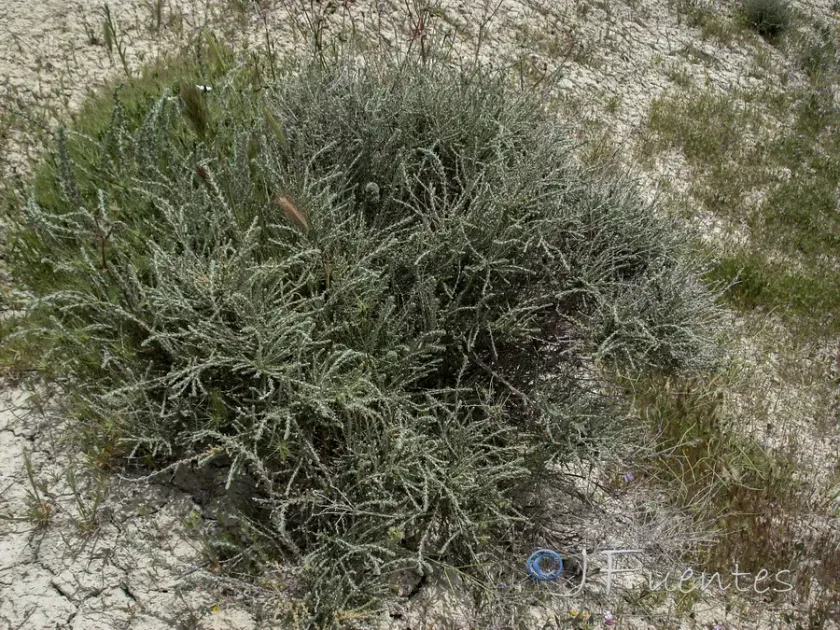
Description
Growing requirements
Salsola frankenioides is a significant species within the Amaranthaceae family, known for its extreme tolerance to saline environments. As a halophyte, it has evolved to thrive in soils with salt concentrations that would prove toxic to the majority of conventional agricultural crops.
The plant originates from arid regions, including the Canary Islands, where it has adapted to severe water scarcity. Its ability to sequester salt allows it to maintain osmotic pressure, enabling it to extract moisture from arid, saline soil profiles effectively during extended periods of drought.
Regarding soil requirements, Salsola frankenioides thrives in sandy, stony, or highly saline substrates. It is frequently utilized in ecological restoration projects, specifically for soil stabilization and the prevention of erosion in desertified or degraded coastal areas.
Climate tolerance is a defining feature of the species, as it withstands intense solar radiation and significant thermal variations. It requires high light exposure and does not perform well in overly humid environments, which can disrupt its metabolic processes and promote disease.
Economically, the plant serves as a vital forage resource in harsh arid lands. It provides essential minerals to livestock, particularly goats and sheep, filling the nutritional gap where traditional grass species cannot establish themselves due to environmental stress.
Main diseases and pests
Pathogenic fungi represent the primary biological threat, particularly when soil drainage is insufficient. Excessive moisture leads to root rot, which is the most common cause of mortality in cultivated stands of this species, especially during unseasonably wet weather cycles.
Pests such as specialized beetles and larvae that feed on succulent Amaranthaceae tissues can cause significant damage. These infestations can reduce the vegetative cover of the plant, thereby limiting its utility as a grazing resource and reducing the total biomass production.
Overgrazing constitutes a critical anthropogenic threat to the sustainability of this crop. When livestock consume the plant faster than it can regenerate, the root systems are depleted of energy, ultimately leading to the death of the plant and subsequent soil exposure.
The encroachment of invasive weeds in areas where Salsola frankenioides is established can threaten young populations. Seedlings are notably slow to establish, and strong competition for limited soil nutrients during early growth stages often results in high mortality rates.
Integrated pest management strategies focusing on controlled grazing and site rotation are essential for crop longevity. Ensuring that plants have sufficient time to recover between grazing periods is the most effective method for maintaining high-yield and healthy stands.