
Broadleaf arrowhead
Sagittaria platyphylla
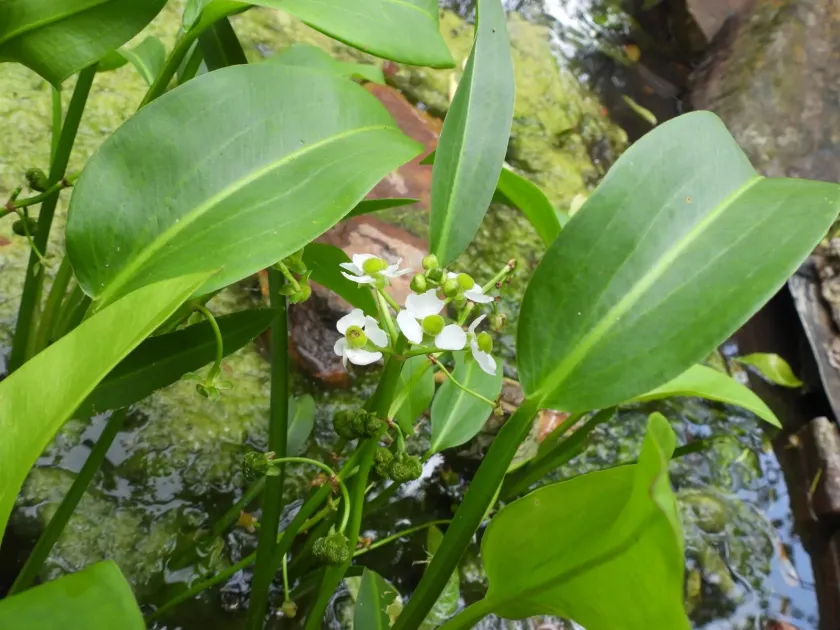
Description
Sowing dates
Broadleaf arrowhead (Sagittaria platyphylla) is a perennial aquatic plant belonging to the Alismataceae family. In agricultural practices, it is primarily propagated vegetatively through the division of rhizomes or the planting of small tubers, ensuring rapid establishment.
Planting typically occurs in the spring, once water temperatures consistently reach 12–15 degrees Celsius. This timing, usually between April and May, is crucial to allow the plant to establish a robust rosette before the peak of summer heat.
For commercial production, maintaining a planting density of 40 to 60 centimeters between plants is essential. This spacing prevents overcrowding and ensures that each specimen has sufficient access to nutrients within the muddy substrate.
While seed propagation is biologically possible, it is rarely used in large-scale farming due to low germination rates and slow growth during the seedling stage. When seeds are used, they are sown into nutrient-rich aquatic substrates at shallow depths.
Rhizomes should be anchored into the bottom silt at a depth of 10–15 centimeters. This provides protection against physical disturbances and keeps the plant stable against changing water levels during the early growth phase.
Growing requirements
This crop requires specific aquatic conditions, favoring shallow waters with depths ranging from 10 to 30 centimeters. While it possesses some tolerance for temporary water withdrawal, consistent moisture levels are vital for optimal tuber formation.
The ideal growing medium consists of silt-rich, fertile soils with a pH level between 6.0 and 7.5. These conditions facilitate efficient nutrient uptake, which is necessary for the development of the plant's storage organs.
As a light-demanding crop, broadleaf arrowhead must be planted in open, sunny locations. Excessive shading from surrounding trees or structures significantly reduces the rate of photosynthesis and the final yield of the starch-rich tubers.
The optimal temperature range for active vegetation is 20–28 degrees Celsius. Growth slows significantly in cooler conditions, leading to a natural dormancy phase, which is a consideration for long-term farm management planning.
The plant requires stagnant or slow-moving water; strong currents can erode the soil around the roots and damage the fragile leaf structure, making calm water bodies or protected ponds the preferred environment for cultivation.
Yield
The primary agricultural value of Sagittaria platyphylla lies in its edible tubers, which are a source of starch. These tubers are often valued for their nutritional profile and are used in various regional cuisines as a potato substitute.
Yield potential is highly dependent on substrate quality and additional fertilization provided in the root zone. Intensive cultivation systems can produce between 15 and 20 tons per hectare under ideal growing conditions.
The plant produces stolons that terminate in tubers. Proper management of the underwater environment, including occasional thinning and weeding of competing vegetation, allows the tubers to grow larger, increasing the marketable yield.
Harvesting is initiated once the above-ground foliage begins to wither and yellow in the autumn. This transition signals that the plant has relocated its energy reserves into the tubers, ensuring the highest possible quality for the harvest.
Beyond food production, the crop is utilized in environmental engineering for water purification. It acts as a biofilter, absorbing excess nutrients and assisting in the improvement of overall water quality within managed wetlands.
Main diseases and pests
Broadleaf arrowhead is generally hardy, but it can be susceptible to fungal diseases if water circulation is poor or if the substrate becomes anaerobic. Signs of rot in the rhizome require immediate intervention and improved oxygenation.
Pests such as leaf-eating beetle larvae can damage the foliage, reducing the plant's photosynthetic capacity. In commercial plots, these are managed through biological control methods or selective removal of affected plants.
Snails and other aquatic mollusks can pose a threat to young, developing shoots. Implementing physical barriers or managing mollusk populations is often necessary to protect early-stage plantings from significant damage.
Algal blooms can be highly detrimental to arrowhead plantations. Excessive filamentous algae compete for sunlight and nutrients, often choking out the plants and requiring regular manual clearing of the water's surface.
Viral infections are uncommon but may present as leaf spotting or mosaic patterns. Any plants showing these symptoms should be isolated and removed immediately to stop the potential spread of pathogens throughout the pond system.
Harvesting
Harvesting broadleaf arrowhead requires a gentle touch to avoid wounding the tubers. Workers often partially drain the pond to gain easier access to the silt layer where the mature tubers are located.
Once removed from the soil, the tubers must be cleaned of mud and organic debris in running water. Thorough cleaning is critical to prevent storage rot and maintain high standards of produce quality.
After washing, the tubers are dried in a shaded, well-ventilated area. This drying process stabilizes the moisture content of the tubers and extends their shelf life significantly before final distribution.
Storage should be conducted in cool, dark environments. To prevent desiccation, tubers are often stored in sand or specialized crates that maintain a consistent, humid microclimate throughout the off-season.
The produce is typically graded during the harvest process. Large, high-quality tubers are selected for human consumption, while smaller tubers are retained and replanted as propagules for the next growing season.