
Threadleaf arrowhead
Sagittaria filiformis
Description
Sowing dates
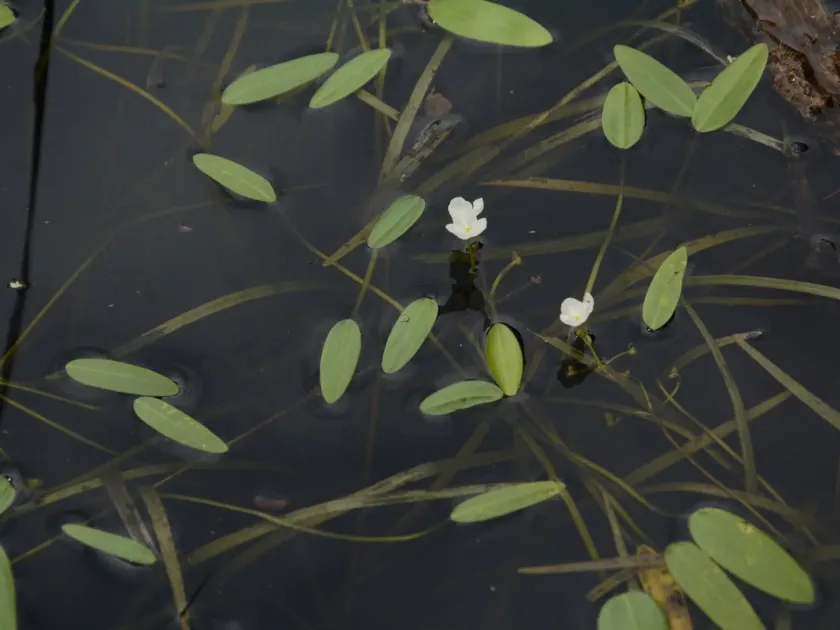
Threadleaf arrowhead (Sagittaria filiformis) is a perennial aquatic plant belonging to the Alismataceae family, known for its distinct thin, linear leaves.
Sowing of seeds is typically performed in spring when the water temperature in the substrate reaches a stable range between 15 and 18 degrees Celsius.
The seeds require a nutrient-rich, moist silt or sandy substrate to germinate successfully, with water depths kept shallow at approximately 5 to 10 centimeters.
Vegetative propagation is the most common method for cultivation, involving the division of rhizomes during the active growing season.
Early May is considered the ideal time for transplanting or dividing existing clumps to allow the plant to establish itself before the summer peak.
Growing requirements
This species requires high levels of solar exposure to thrive; planting in deep shade should be avoided as it significantly hinders biomass accumulation.
The optimal water temperature for metabolic activity ranges from 18 to 24 degrees Celsius, making it suitable for temperate aquatic environments.
Soil quality on the pond bottom should be balanced, preferably containing a mix of organic matter and silt to support the development of the fibrous root system.
Water pH should be kept near neutral or slightly acidic, as extreme fluctuations in water chemistry can negatively impact the plant's health.
Minimal water flow is preferred, as high-velocity currents can disturb the roots and cause physical damage to the delicate, elongated leaf structures.
Yield
The economic value of threadleaf arrowhead is primarily centered on its ornamental use in landscape design and man-made aquatic water features.
In addition to aesthetics, the plant functions as a natural water filter, effectively removing excess nutrients and helping to maintain clear water conditions.
Productivity is measured by the successful development of new vegetative rosettes, which can be harvested for plant nurseries or ecosystem restoration projects.
Biomass generated by the plant can be composted and repurposed as organic fertilizer for gardens once the plant material has been appropriately processed.
Proper plant density management, typically around 5-8 plants per square meter, ensures individual plant health and maximum growth efficiency.
Main diseases and pests
Pathogenic fungal infections are a primary threat, often occurring in poorly oxygenated water or stagnant environments where organic decay is excessive.
Insect pests, including aquatic larvae, may graze on the foliage, causing holes and reducing the photosynthetic surface area of the plant.
Invasive algae species often outcompete threadleaf arrowhead for nutrients and light, posing a severe risk to the long-term survival of the colony.
Chemical runoff from nearby agricultural activities can introduce toxic substances that inhibit growth and lead to yellowing of the leaves.
Low water levels resulting in complete drying of the substrate can lead to immediate plant stress and death due to its dependence on constant moisture.