
Chilean arrowhead
Sagittaria chilensis
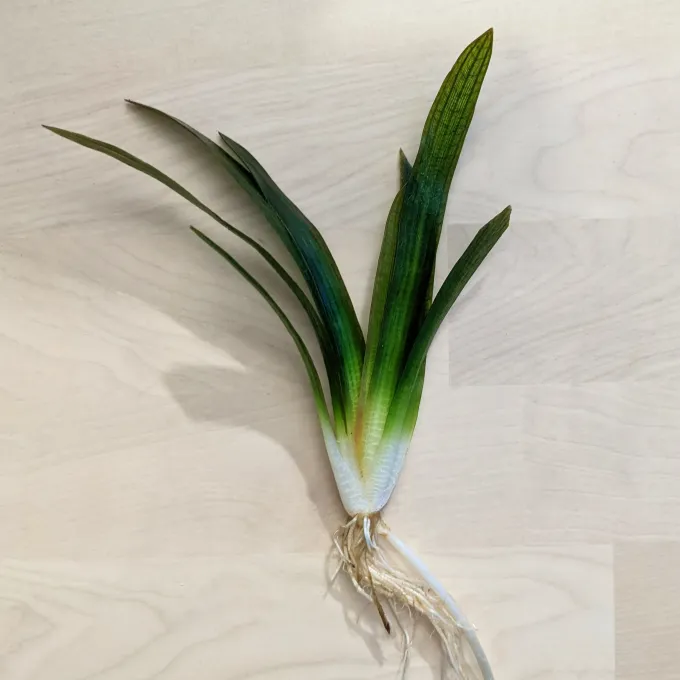
Description
Sowing dates
Chilean arrowhead is a perennial aquatic plant that thrives in wetland environments. Propagation is primarily achieved through the division of rhizomes or stolons.
Planting typically takes place in early spring once the water temperature consistently remains above 18 degrees Celsius, ensuring optimal root development.
For commercial cultivation, spacing between plants should be approximately 50 centimeters to allow enough room for the development of tubers.
In nursery settings, seeds can be used, although they require a period of cold stratification in a moist environment to break dormancy before planting.
Selecting high-quality planting material is crucial for achieving uniform plant growth and maximizing the overall yield of the crop in the field.
Growing requirements
This species requires high levels of natural sunlight to maintain active photosynthesis throughout the growing season in the shallow water zones.
The ideal soil substrate consists of nutrient-rich silt or loam that supports the establishment of a robust root system and subterranean stolons.
Water depth is a critical parameter for growth; the plants prefer a depth range of 10 to 40 centimeters, which allows for both submersed and aerial leaf formation.
Stability of the water's chemical profile, particularly the pH level, is essential to prevent physiological stress and maintain healthy growth patterns.
The plant is highly adaptable to various water temperatures but performs best in warm, temperate conditions during the peak of its vegetative cycle.
Yield
The agricultural value of the Chilean arrowhead lies in its starch-rich tubers, which accumulate energy reserves throughout the summer and autumn months.
Yield capacity can be significantly improved through proper water management and the controlled application of organic-based fertilizers.
Harvesting tubers requires careful attention to the plant's growth stage to ensure that the tubers have reached their maximum size and starch content.
Sustainable production practices allow for multiple years of harvest from the same site, as the plant possesses natural regenerative capabilities.
With correct farming techniques, this crop demonstrates high productivity potential in aquatic zones that are currently underutilized for conventional agriculture.
Main diseases and pests
Pests such as aquatic insects and certain mollusk species can cause significant damage to the plant by consuming foliage or boring into the tubers.
Fungal pathogens and excessive algal blooms present a risk, particularly in stagnant waters with low circulation and inadequate nutrient management.
Weed competition from other aggressive aquatic species can suppress the growth of Chilean arrowhead by limiting access to essential light and nutrients.
Environmental fluctuations, such as sudden changes in water levels, can impact the health of the plants and make them more susceptible to disease.
Integrated pest management, focusing on biological controls, is highly recommended to protect the crop without damaging the surrounding water quality.
Harvesting
Harvesting is performed at the end of the season when the foliage turns yellow and dies back, indicating that energy has been transferred to the tubers.
Manual harvesting involves carefully sifting through the mud to extract the tubers, which requires experience to avoid damaging the edible parts.
Post-harvest processing includes thorough cleaning of the tubers to remove mud and organic debris before sorting them for storage or market distribution.
To preserve the shelf life of the tubers, they must be kept in cool, humid environments to prevent desiccation and premature sprouting of the eyes.
Strategic timing of the harvest is vital, as leaving the tubers in the ground for too long can lead to rot in waterlogged or cold conditions.