
Sagittaria ambigua
Sagittaria ambigua
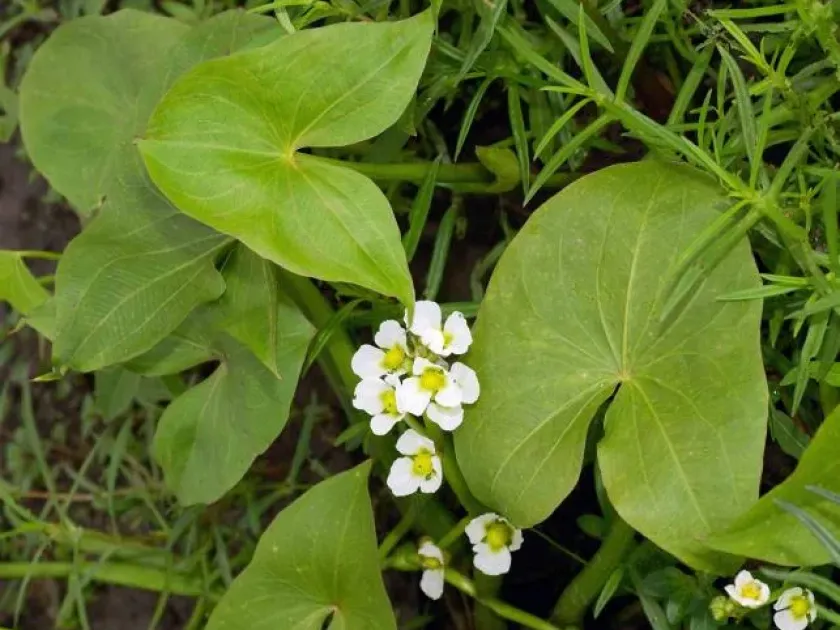
Description
Sowing dates
Sagittaria ambigua, belonging to the Alismataceae family, is a perennial aquatic plant that naturally thrives in wetland and shallow water ecosystems. It is characterized by its distinct sagittate foliage and tuberous root system.
Propagation is typically achieved through vegetative division of the rhizomes or by utilizing specialized underground stolons. Planting in artificial ponds or agricultural checkers should occur during spring as water temperatures rise.
While seed propagation is possible, it is less common in commercial settings. Seeds require high humidity and specific substrate conditions to ensure successful germination and seedling establishment.
Proper spacing is essential to ensure adequate airflow and light penetration, reducing the risk of rot in the root zone. A distance of 30 to 50 centimeters between plants is generally recommended.
For successful cultivation, the hydrological regime of the plot must be carefully managed, often involving a gradual increase in water levels as the plant progresses through its growth cycle.
Growing requirements
This crop requires specific aquatic conditions, preferring shallow water with either stagnant or slowly flowing movement. Ideal planting depths usually range from 10 to 30 centimeters for optimal development.
Productive growth depends on the availability of nutrient-rich silt or peat-based soils with a neutral to slightly acidic pH level, providing the necessary minerals for robust tuber expansion.
Sagittaria ambigua is a sun-loving species; therefore, planting in exposed, well-lit locations is a critical factor for achieving high biomass and tuber yields.
The optimal temperature for vegetative growth is between 20 and 25 degrees Celsius, although the plant displays significant environmental plasticity to handle minor climate fluctuations.
Strong currents must be avoided, as turbulent water can wash away the growing medium and physically damage the delicate leaf stalks, hindering the plant's ability to anchor effectively.
Yield
The economic value of Sagittaria ambigua is primarily derived from its starchy tubers, which develop at the ends of underground shoots. Total yield is directly proportional to solar radiation and soil fertility.
Intensive farming methods, including the strategic application of organic fertilizers into the benthic layer, significantly increase both the size and quality of the marketable tubers.
Beyond tuber production, the plant generates substantial green biomass, which in certain agricultural contexts serves as an auxiliary forage source for specific livestock types.
Stable yields are ensured by maintaining consistent water levels; drying out the wetland area during the growing season can significantly stunt the development of reproductive organs.
Weed management is vital to maintaining yield levels, as invasive species can compete aggressively for essential minerals and nutrients in the aquatic environment.
Main diseases and pests
Major threats to Sagittaria ambigua plantations include fungal diseases like late blight, which thrive in high-humidity environments and can rapidly affect the foliage.
Insect pests represent a primary biological threat, with various larvae damaging leaf stalks and tubers, thereby reducing the overall health and vigor of the crop.
Mollusks can also pose a risk to young plants in the early weeks of the season, necessitating regular monitoring and integrated pest management practices in the aquatic area.
To prevent the spread of pathogens, it is crucial to perform regular sanitary cleaning of the water, removing decaying organic matter that facilitates the growth of harmful microorganisms.
Chemical control is generally discouraged in these environments due to water quality concerns, favoring biological alternatives and strategies that boost the plant's natural immune response.
Harvesting
Harvesting typically takes place in late autumn when temperatures drop and the plant's above-ground parts begin to senesce, concentrating nutrients within the underground tubers.
The process often involves draining the pond or using specialized mechanical rakes to lift tubers from the silt, ensuring the harvest is done with minimal damage to the crop.
Once harvested, the tubers must be thoroughly cleaned, sorted by size, and cleared of rhizome debris before being moved to the final processing or storage stages.
Storage requires cool, moist conditions to prevent the tubers from dehydrating, which maintains their starch content, texture, and overall market value throughout the off-season.
Manual harvesting on smaller scales allows for better selection of high-quality tubers, which can be retained as seed stock for the following season to ensure long-term productivity.