
Alisma wahlenbergii
Alisma wahlenbergii
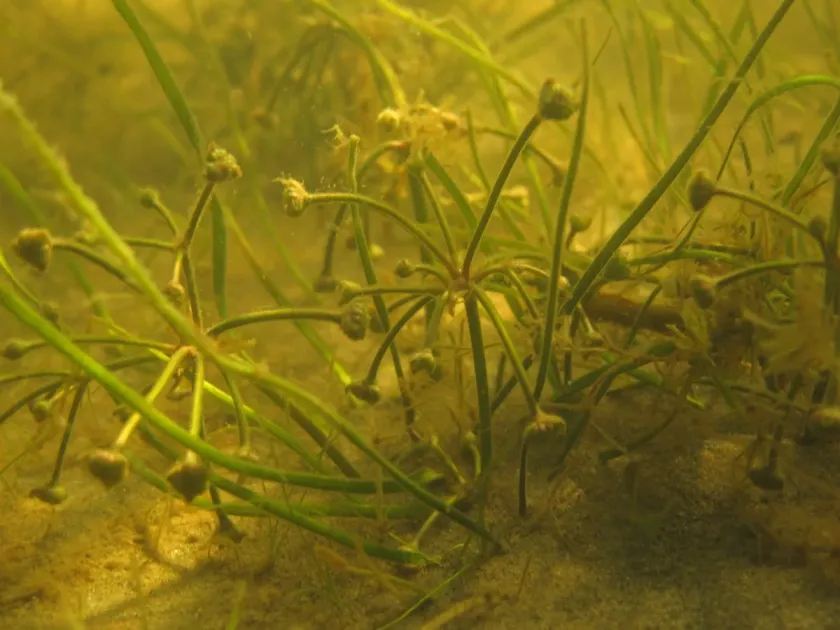
Description
Growing requirements
Alisma wahlenbergii, commonly known as Wahlenberg's water-plantain, is a rare aquatic plant belonging to the Alismataceae family. It is a specialized hydrophyte adapted to the brackish and fresh water conditions found in Baltic coastal areas.
The plant originates from the northern parts of Europe, with its primary distribution concentrated along the shores of the Baltic Sea. Its ability to survive in environments with fluctuating salinity levels makes it a unique botanical subject for study.
Botanically, it features a rosette of leaves that can significantly alter their morphology depending on depth. This plasticity is an evolutionary adaptation that allows the plant to maximize photosynthetic efficiency in variable water environments.
Regarding soil requirements, the plant thrives in soft, nutrient-rich silty sediments. The substrate must be stable enough to support the root system while providing the necessary mineral nutrients to sustain growth throughout the season.
Climatic conditions are crucial, as this species is adapted to cool, temperate climates. It requires consistent light exposure and moderate water temperatures during the growing season to complete its complex reproductive life cycle.
Main diseases and pests
Habitat loss due to coastal development is the primary threat to Alisma wahlenbergii. The encroachment of infrastructure on delicate wetlands leads to the destruction of the plant's natural growing environments.
Water pollution, particularly the runoff of industrial chemicals and excess fertilizers, significantly alters the water chemistry. High concentrations of nitrogen lead to algal blooms, which starve the plant of essential light.
Pathogenic fungi present in stagnant water pose a constant risk to the plant's structural integrity. These infections often target the root system, causing decay that spreads quickly through the entire plant colony.
Invasive aquatic weeds act as significant competitors for space and nutrients. These species can grow faster and outcompete the slower-developing Alisma wahlenbergii in typical coastal zones.
Grazing by aquatic fauna can cause mechanical damage to the foliage. While natural in small amounts, excessive grazing in a disturbed environment can prevent the plant from accumulating the reserves needed for winter dormancy.