
Sorbus-Crataegus hybrid
Sorbus aucuparia L. x Crataegus sanguinea Pall.
Description
Sowing dates
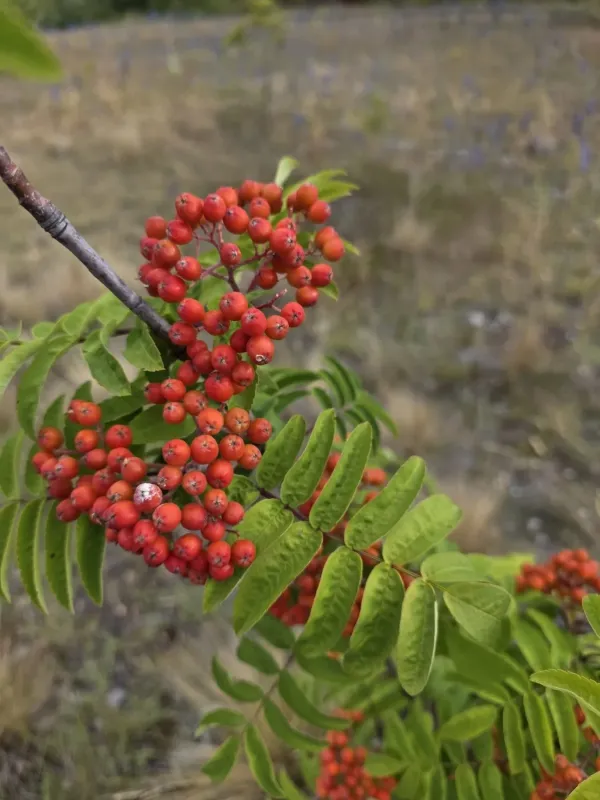
The Sorbus-Crataegus hybrid is an intergeneric cross between the common rowan (Sorbus aucuparia) and the Siberian hawthorn (Crataegus sanguinea). This plant belongs to the Rosaceae family and exhibits a unique combination of traits from both parental species.
Planting of seedlings is best performed during the autumn or early spring. These periods allow the root system to establish itself before the onset of the active growth season or winter dormancy, ensuring better survival rates.
Select a well-lit location with fertile, well-drained loamy or sandy soil for planting. The hybrid is moderately adaptable to various soil types but suffers significantly in waterlogged areas where roots can decay.
Proper spacing is essential for the healthy development of these trees. It is recommended to leave at least 3-4 meters between individuals to facilitate optimal air circulation and light penetration, which are vital for fruit health.
Ensure that the root collar is placed level with the ground during planting. Once the tree is positioned, provide thorough watering and apply mulch to the base to retain moisture and suppress competitive weed growth.
Growing requirements
This hybrid is characterized by exceptional cold hardiness, making it an excellent choice for northern climates and regions experiencing severe winter temperatures. It adapts well to various environmental conditions.
While the tree shows good drought tolerance, regular watering during the fruit-set and development phase is necessary for maximizing yield and fruit quality. Consistent moisture levels prevent premature fruit drop.
The plant thrives in neutral to slightly acidic soils. If the soil is excessively acidic, liming should be performed to adjust the pH level, ensuring the roots can efficiently absorb the necessary nutrients from the substrate.
Routine pruning is a core aspect of the tree's maintenance. Removing dead or overlapping branches enhances the tree's architecture, promotes longevity, and ensures that energy is directed towards healthy fruit production.
Apply fertilizer twice annually: nitrogen-based formulas in the spring to encourage leafy growth, and phosphorus-potassium blends in the autumn to harden the tree for the coming winter and improve next season's bloom.
Yield
The hybrid generally begins to bear fruit within 3-4 years after planting. Yield production increases steadily as the tree matures, provided it receives appropriate care and consistent maintenance.
Fruits are often larger than wild rowan berries and possess a softer, more palatable flesh than pure hawthorn. They are visually striking and contain significant levels of vitamins, pectin, and antioxidants.
In terms of usage, the fruits are highly valued in the culinary industry for preserves, jams, jellies, and artisanal beverages. Their distinct flavor profile makes them a popular choice for home processing.
With proper crown management, these trees can maintain high productivity levels for many years. Regular thinning and shaping allow for easier harvesting and ensure consistent fruit size throughout the season.
Optimizing irrigation and nutrient delivery systems can significantly boost the overall crop potential, making it a reliable and profitable plant for small orchards and private homesteads.
Main diseases and pests
Common fungal diseases such as apple scab, powdery mildew, and various leaf spots pose the primary threat to the Sorbus-Crataegus hybrid, especially during periods of high humidity and rainfall.
Pests like aphids, hawthorn spider mites, and leaf-rolling caterpillars can damage foliage and interfere with fruit development. Regular inspection of the canopy is recommended to identify early signs of infestation.
Integrated pest management strategies, including the use of targeted fungicides and insecticides, should be employed. Always strictly adhere to the manufacturer's safety instructions and pre-harvest intervals.
Biologically-focused maintenance, such as encouraging beneficial insects and applying organic treatments, serves as a sustainable approach to managing threats in fruit orchards.
Sanitation practices, including the careful removal and disposal of fallen leaves and infected fruit, significantly reduce the wintering ground for pathogens, lowering the overall infection pressure for the next season.
Harvesting
Harvesting should be done when the fruits reach full biological maturity. At this stage, they exhibit the characteristic deep color and softened texture indicative of the peak flavor profile.
The harvest season typically occurs from late August through September, depending on the specific climatic conditions and the latitude of the growing region for that particular year.
Manual picking is preferred to avoid damaging the delicate fruit and the spur wood of the tree. This careful approach maintains the structural integrity of the berries for better shelf life and market appearance.
Post-harvest handling requires sorting the fruit to remove damaged or overripe berries, as these can quickly spread decay. Keeping the fruit in a cool, ventilated environment preserves their freshness.
With correct harvesting techniques, the fruits demonstrate good transportability, allowing them to be sold at local markets or processed shortly after collection for optimal nutritional value.