
Farkleberry
Vaccinium arboreum Marshall
Description
Growing requirements
Farkleberry (Vaccinium arboreum) is a distinct species within the Ericaceae family, often growing as a large shrub or a small tree. Native to the southeastern United States, it is well-adapted to upland sites and rocky terrains, showing resilience to varying environmental conditions.
The primary soil requirement for successful cultivation is acidic soil with a pH ranging from 4.5 to 5.5. The substrate must be well-drained, as the species is highly susceptible to root damage caused by prolonged waterlogging or poor soil aeration.
Regarding light, Farkleberry is quite versatile, thriving in both full sun and partial shade. However, in regions with intense heat, partial shade is preferable to prevent the root zone from overheating, which can inhibit the plant's overall growth.
Mulching is a critical agricultural practice for this species. Providing a layer of pine needles or pine bark helps maintain the necessary soil acidity, suppresses weeds, and preserves moisture in the topsoil layer during drier months.
Climatic adaptability makes this plant suitable for USDA zones 6 through 9. While it is reasonably hardy, protecting young plants from late spring frosts is recommended to ensure that the developing flower buds are not damaged, thus securing the future harvest.
Yield
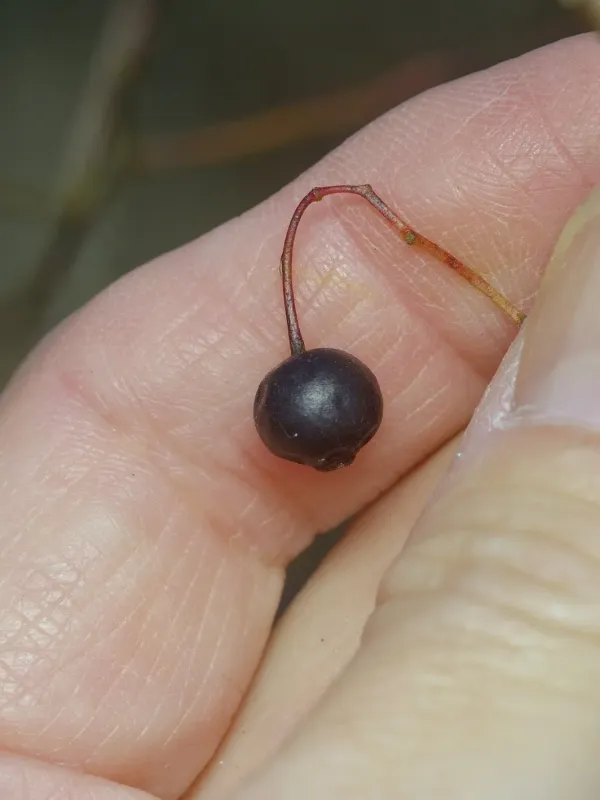
The fruit of the Farkleberry is small, dark, and notably astringent due to a high tannin content. This unique flavor profile makes the berries less suitable for fresh consumption but highly valued for processing into jellies, jams, and wine.
Yields vary significantly depending on environmental conditions and the age of the tree. Consistent pruning is essential to promote the growth of young, productive wood, as older branches tend to become less fruitful over time.
Harvesting usually occurs in late summer or autumn. Since ripening is not synchronous, picking often requires multiple passes through the orchard or forest stand to collect only the fully mature, high-quality berries.
Post-harvest handling should involve quick cooling. Even though the berries are small, they are dense and possess a good shelf life if stored in optimal refrigerated conditions immediately after the collection process.
There is increasing interest in the ornamental and culinary potential of Farkleberry. Its harvest serves both local community needs and niche markets that appreciate wild-collected, high-antioxidant fruit products.
Main diseases and pests
Fungal diseases, including leaf spot and powdery mildew, represent the most common threats to the foliage. Good garden hygiene, such as removing fallen leaves and ensuring proper spacing between plants, is effective in reducing infection risks.
Root rot is a significant danger if the site is not perfectly drained. Pathogens thrive in overly wet conditions, making correct site selection and soil preparation the most vital prophylactic measures for any grower.
Insects like aphids or various leaf-miners can cause stress to the plant during the early growth stages. Integrated pest management strategies, focusing on biological controls, are usually sufficient to manage these populations without chemicals.
Wildlife, particularly birds, are the primary consumers of the berries. Installing netting over the shrubs is common practice for commercial growers who aim to protect their crop from rapid depletion before it can be harvested.
Routine monitoring is essential during periods of high humidity. Early detection of any irregular patches on the leaves or signs of wilting can prevent the spread of diseases throughout the entire plantation.