
Vaccinium formosum
Vaccinium formosum Andrews
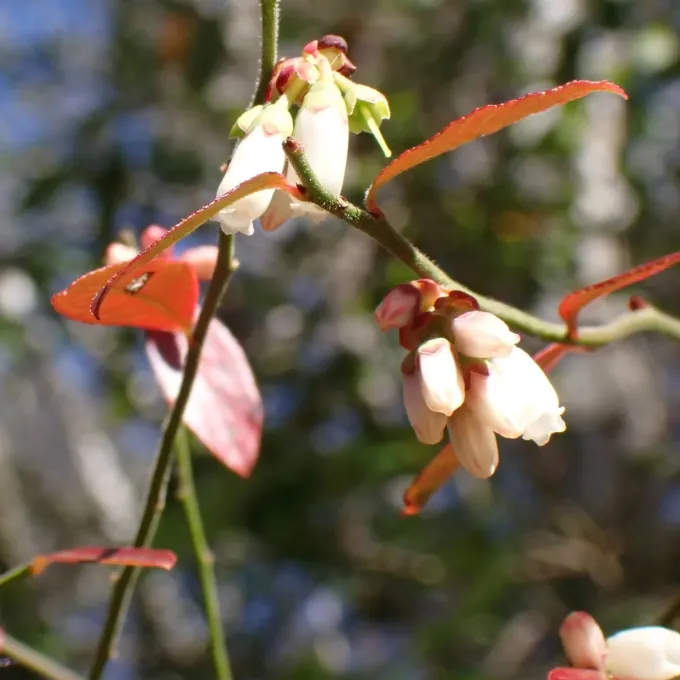
Description
Growing requirements
Vaccinium formosum is a shrub belonging to the Ericaceae family. It is known for its ecological specificity and is primarily cultivated in regions that mirror its native habitat's acidic and moisture-rich environment.
The plant thrives in well-drained, acidic soils with a pH between 4.5 and 5.5. Soil aeration is critical for root development, which is why organic matter such as peat moss or pine bark is commonly incorporated into the planting medium.
Climate requirements include a stable temperature regime with moderate moisture levels. The plant is sensitive to drought, making irrigation systems essential for maintaining yield stability in commercial operations.
Sunlight exposure is a significant factor in berry production. While the species can tolerate partial shade, full sun exposure (provided the soil moisture is sufficient) enhances fruit quality and sugar content significantly.
General maintenance involves annual pruning to stimulate the growth of new, high-yielding canes. Mulching is also a standard practice used to suppress weeds and maintain consistent soil temperature throughout the seasons.
Main diseases and pests
Fungal pathogens such as Phomopsis blight and Botrytis are the primary threats to the health of Vaccinium formosum. These diseases thrive in humid conditions, necessitating strict management of canopy density and air circulation.
Pest management programs typically target aphids, scale insects, and fruit flies. Integrated Pest Management (IPM) strategies, including biological controls and pheromone traps, are preferred over broad-spectrum insecticides.
Root rot, caused by various species of Phytophthora, remains a constant challenge in poorly drained soils. Improving field drainage is the most effective way to minimize the risk of these devastating pathogens.
Early detection of disease symptoms on leaves and fruit is crucial. Regular scouting and immediate removal of infected plant tissues are standard protocols to prevent the spread of diseases within the plantation.
Finally, environmental stress can weaken the plants, making them more susceptible to opportunistic pests. Maintaining optimal nutrition and irrigation helps ensure the plant's natural defense mechanisms are robust enough to resist minor infestations.