
Sonneratia caseolaris
Sonneratia caseolaris (L.) Engl.
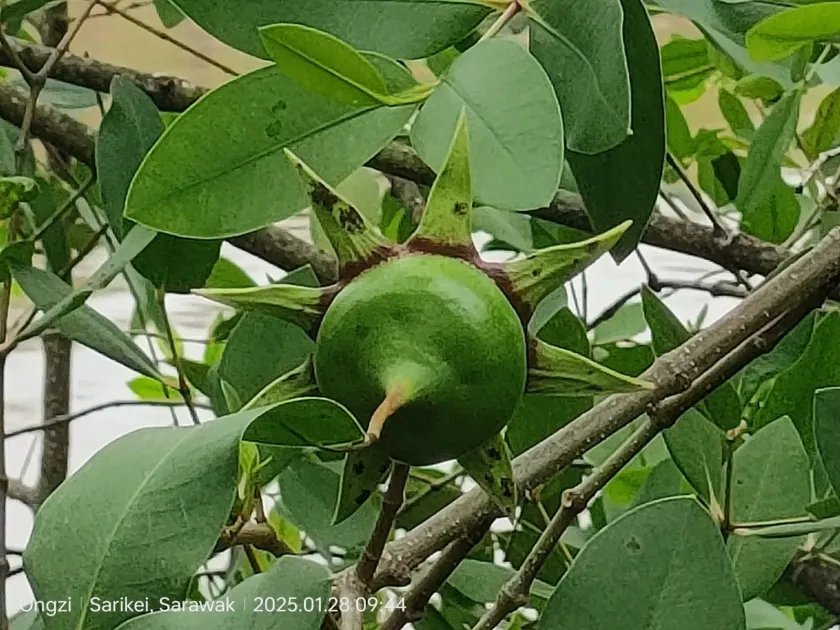
Description
Sowing dates
Sonneratia caseolaris reproduces primarily through seeds that mature in fruits floating on the water surface. In natural habitats, tidal currents disperse these seeds, ensuring their natural sowing in the silty sediments of coastal zones.
For artificial cultivation, seeds are sown in nurseries with high soil moisture. Germination requires a consistently high water level and the prevention of substrate desiccation, mimicking the natural intertidal zone.
The germination process typically takes 2 to 4 weeks under stable temperature conditions. Young seedlings are extremely sensitive to direct sunlight, so shading is required during the initial stage of development.
Once the seedlings reach a height of 20-30 cm, they are transplanted to permanent locations in mangrove plantations. Planting is carried out during periods of minimal storm intensity to prevent mechanical damage to the root system.
Planting density is determined by production goals: higher for biomass production and lower for fruit collection. Typically, intervals of at least 2-3 meters between adjacent trees are maintained to allow for full crown development.
Growing requirements
This crop belongs to the Lythraceae family and is a typical representative of mangrove flora. It is adapted to growing in saline soils and under regular tidal inundation, which imposes specific requirements on the cultivation site.
Sonneratia prefers muddy and clayey sediments in river estuaries and tropical coastal strips. The ideal substrate should be rich in organic matter and have a soft texture, allowing for the penetration of specialized pneumatophores (breathing roots).
The plant requires a tropical climate with minimal seasonal temperature fluctuations. Optimal performance occurs in the range of +24 to +30 degrees Celsius; the species is extremely sensitive to any frost or cold snaps.
One of the most important survival conditions is adequate root aeration. The plant possesses vertical breathing roots that transport oxygen into the root system, even when completely submerged in viscous mud.
Water salinity is a critical factor. While the species is considered tolerant of high salt levels, optimal growth is observed in brackish water zones where marine and freshwater river flows mix effectively.
Yield
The economic value of the culture lies in the collection of fruits, which have a sour taste and are used in local cuisine. Yield depends on the age of the tree and lighting conditions, as light stimulates flowering and fruit set.
Fruits begin to appear on trees at the age of 5-7 years. Full commercial yield is achieved later, when the crown reaches a significant diameter capable of supporting sufficient sugar accumulation in the fruits.
Fruit harvesting is carried out manually during the period of technical maturity. Readiness is determined by the change in pulp density and the ease with which the fruit detaches from the calyx, which remains on the plant.
In favorable conditions, the tree can bear fruit year-round, though periods of peak harvest are often associated with the end of the rainy season. Regular pruning of dry branches helps increase light penetration to the fruits.
Average yields per hectare vary depending on planting density and water quality. The culture is valued not only for its fruit but also for its wood, which is used in some regions for boat construction and as structural supports.
Main diseases and pests
The primary threat to Sonneratia plantations comes from phytophagous pests that feed on young leaves and buds. Among insects, various types of caterpillars are the most common, capable of destroying a significant portion of the foliage.
Fungal root diseases can occur during prolonged water stagnation in the absence of a fresh nutrient supply. This leads to the decay of pneumatophores and the subsequent death of the tree due to the lack of oxygen access.
Pollution of water bodies with petroleum products and industrial waste poses a critical threat to mangrove forests. Toxic substances block the pores on the breathing roots, leading to rapid wilting and the loss of the plantation.
Crabs are also considered typical pests, as they may damage the bark of young seedlings, creating entry points for infections. Agronomists often use protective mesh during the early growth stages of the trees.
Competition from invasive plant species can also reduce productivity. Sonneratia caseolaris requires regular clearing of the surrounding territory from weeds that compete for nutrients within the mud.