
Hybrids of Pyrus communis, Pyrus pyrifolia, and Pyrus bretschneideri
Hybrids between Pyrus communis, Pyrus pyrifolia and Pyrus x bretschneideri
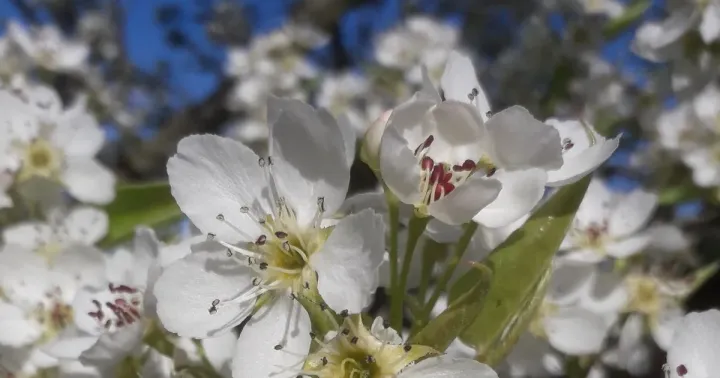
Description
Sowing dates
Planting seedlings of interspecific pear hybrids is best performed during spring or autumn when the plants are in their dormant state. Spring planting is preferred in regions with severe winters to allow the roots to establish before the onset of extreme temperatures.
It is essential to consider soil temperature and moisture levels when scheduling planting. The soil should be well-drained but not excessively dry; autumn planting should be finished 3–4 weeks before the ground freezes to support root health.
Preparation of planting holes should occur at least two weeks before the arrival of seedlings. This allows the soil to settle and ensures that the organic matter and minerals are evenly distributed for the young roots.
Spacing between trees is determined by the rootstock vigor and the intended canopy management system. Modern high-density orchards use specific planting patterns to ensure light penetration throughout the foliage.
Correct placement of the graft union relative to the soil surface is critical. Planting too deep can cause bark rot or delay the onset of fruit production, so careful attention to depth is required during the planting process.
Growing requirements
Pear hybrids require sunny, well-ventilated locations protected from strong winds. These hybrids combine the cold hardiness of Pyrus communis with the robust vigor and pest resistance of Pyrus pyrifolia and Pyrus bretschneideri.
The ideal soil is a deep, fertile loam or sandy loam with a neutral to slightly acidic pH. Good drainage is vital, as these hybrids are sensitive to waterlogging, which can lead to root diseases and declining vigor.
Consistent irrigation is necessary, especially during the fruit development stage and the formation of floral buds for the following year. Maintaining uniform soil moisture helps prevent fruit cracking and stress-related issues.
Pruning is a fundamental aspect of the agronomy for these hybrids, focusing on structural integrity and light distribution. Pruning also helps manage the weight of the fruit load to prevent branch breakage.
Balanced fertilization programs, including both organic and mineral sources, should be applied throughout the growing season to support tree health, yield quality, and long-term wood maturity.
Yield
Intergeneric pear hybrids are known for their early bearing and high productivity. When grafted onto dwarfing or semi-dwarfing rootstocks, many cultivars begin yielding fruit within three to four years of planting.
Yield stability is strongly influenced by the presence of compatible pollinators. Planting a mix of varieties is highly recommended to ensure successful cross-pollination and a high set of quality fruit.
The fruit of these hybrids often reaches impressive sizes, offering a unique sensory experience by blending the intense sweetness and juiciness of European pears with the characteristic crispness of Asian varieties.
Fruit thinning is an essential management practice to avoid biennial bearing and tree exhaustion. Removing surplus fruit early in the season ensures that the remaining fruit reaches its maximum potential size and quality.
Harvesting is often done in multiple passes to ensure each fruit is picked at the ideal stage of maturity. This careful approach optimizes the shelf life and market value of the produce.
Main diseases and pests
Fire blight (Erwinia amylovora) remains one of the most significant threats to pear orchards worldwide. The development of these hybrids often focuses on increasing genetic resistance to this devastating disease.
Scab infection is common in humid climates, especially during rainy springs. Management involves strict adherence to fungicide application schedules and thorough sanitation of orchard debris to reduce fungal inoculum.
Pests such as codling moths and pear psylla pose significant risks to both fruit quantity and quality. Integrated pest management (IPM) strategies, including pheromone trapping, are standard in commercial operations.
Monitoring for the first signs of infestation or disease allows for timely and targeted interventions. This approach minimizes the use of chemical pesticides and supports more sustainable orchard production.
Maintaining high hygiene standards in the orchard, including the removal of infected branches and fruit, is the first line of defense in protecting the long-term health of the hybrid trees.
Harvesting
Harvesting hybrid pears requires great care to avoid bruising, as many high-quality cultivars have relatively thin and delicate skins. Gentle handling is necessary during both picking and transportation.
The timing of harvest is based on physiological maturity markers, including subtle changes in skin color, the ease with which the pedicel detaches from the branch, and firmness levels measured by penetrometers.
For long-term storage, fruit must be harvested before it reaches full tree-ripening. Controlled atmosphere storage can then be used to slow down respiration and ripening processes while preserving quality.
Using appropriate, padded harvesting containers is mandatory to minimize mechanical injury. Any bruising on the skin not only affects appearance but also serves as an entry point for post-harvest pathogens.
Post-harvest cooling is crucial to extend the storage life. By quickly lowering the temperature of the harvested fruit, growers can maintain their crispness and flavor for several months after the harvest season.