
Carissa carandas
Carissa carandas L.
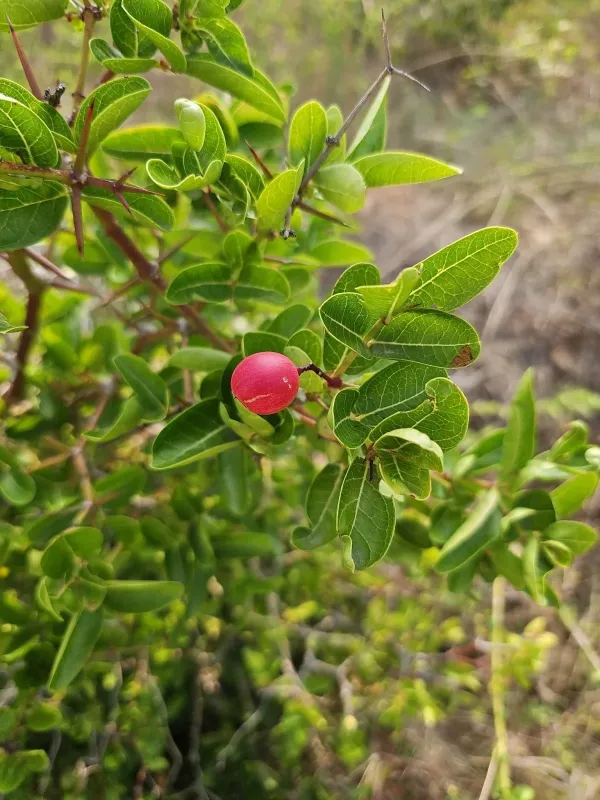
Description
Sowing dates
Carissa carandas can be propagated through seeds, cuttings, or air layering. Seeds should be sown in well-draining soil immediately after extraction from ripe fruits, as their viability decreases rapidly over time.
The optimal time for sowing is during the spring season when soil temperatures are consistently above 22 degrees Celsius. Maintaining high humidity is crucial during the initial germination phase.
Propagation via semi-hardwood cuttings is common in commercial nurseries. Applying rooting hormones helps ensure a higher success rate for new plantlets.
Young seedlings require protection from direct sunlight and steady moisture to establish a strong root system during the first few weeks after transplantation.
Outdoor planting should only be performed once the danger of frost has passed, as the species is highly sensitive to cold and freezing temperatures.
Growing requirements
Carissa carandas is a member of the Apocynaceae family. It is a hardy, evergreen, spiny shrub native to tropical regions of India and Southeast Asia.
The plant is highly adaptable to various soil types, including sandy, rocky, or saline soils, although it performs best in fertile, well-draining loams.
Full sun exposure is required for vigorous growth and optimal fruit production. Lack of light results in sparse foliage and reduced flowering.
The plant is remarkably drought-tolerant, making it suitable for regions with erratic rainfall. However, supplemental irrigation during dry periods significantly boosts yield.
Protection from freezing weather is mandatory. In temperate regions, it must be grown in containers or greenhouses to survive the winter months.
Yield
The yield of Carissa carandas depends heavily on proper crown management and the age of the tree. Commercial production typically begins from the third year onwards.
Mature plants can produce significant quantities of fruit, provided they are maintained with balanced fertilization and regular pruning to enhance fruit-bearing surfaces.
Yields are maximized when organic matter is incorporated into the soil, improving its physical structure and nutrient availability for the plant.
Regular pruning not only shapes the shrub but also removes deadwood, which prevents the build-up of pests and encourages the development of new, productive growth.
- Periodic irrigation during dry spells
- Regular application of balanced NPK fertilizers
- Annual shaping and sanitary pruning
- Weed management in the root zone
- Wind protection for young shrubs
Main diseases and pests
Carissa carandas is generally resilient, but it is susceptible to root rot, particularly in waterlogged or heavy clay soils where drainage is poor.
Pests such as scale insects and mealybugs are the primary threats, as they infest the foliage and succulent stems, weakening the overall structure of the plant.
In hot and dry climates, spider mite infestations can occur if humidity levels are not managed. Regular monitoring is essential to catch outbreaks early.
Integrated pest management, including the use of neem oil or insecticidal soaps, is recommended for organic production and minimizing chemical residues on fruits.
Vigorous plants are less prone to attacks; therefore, maintaining optimal nutrient levels is the best form of preventative care against pests and diseases.
Harvesting
Harvesting is typically performed manually because fruit ripening is asynchronous across the shrub. Ripe fruits are dark purple to black in color.
The harvested berries are highly valued for their nutritional content, including high levels of vitamin C and pectin, making them ideal for jellies, jams, and pickles.
Post-harvest handling is straightforward due to the fruit's firm skin, which allows for good shelf life if stored in cool, ventilated areas.
The produce is widely used in local food industries for manufacturing cordials and syrups, showcasing the economic potential of this tropical crop.
Care should be taken during harvest to avoid injury from the plant's sharp, bifurcated thorns, which are a characteristic feature of this species.