
Common corn salad
Valerianella eriocarpa
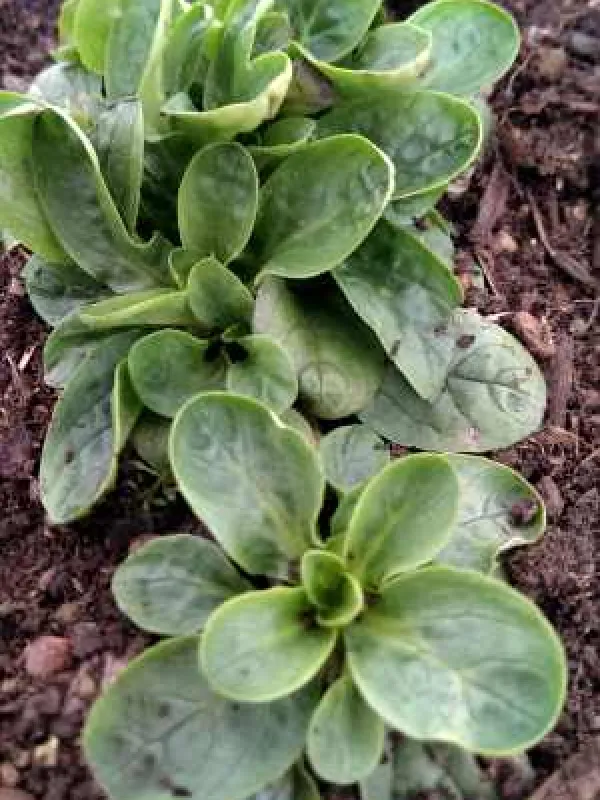
Description
Sowing dates
Common corn salad (Valerianella eriocarpa) is a hardy annual belonging to the Caprifoliaceae family. It is typically sown in early spring as soon as the soil is workable, or in autumn for late-season production and overwintering in milder climates.
For a continuous harvest, seeds should be sown in successions every two to three weeks. Because the plant has a relatively fast growth cycle, it is an excellent crop for intercropping, filling gaps between larger vegetables in the garden plot.
Seeds should be sown shallowly, at a depth of no more than 1 centimeter, as they require some exposure to light for optimal germination. Row spacing of 15 to 20 centimeters is generally sufficient to ensure adequate airflow and prevent overcrowding.
In greenhouses or polytunnels, sowing can begin as early as February, allowing for fresh greens production even in colder months. The plant is remarkably frost-tolerant, which makes it a valuable early-season crop for market growers.
Moisture control during the germination phase is critical. Seeds are sensitive to drying out, so the soil should be lightly firmed after sowing and kept consistently moist through regular irrigation until the seedlings have successfully established.
Growing requirements
The plant thrives in well-drained, fertile loamy or sandy soils with a neutral pH level. It is essential to avoid sites prone to waterlogging, as the delicate root system is highly susceptible to rot in saturated soil conditions.
While corn salad is a light-loving plant, it can transition to the bolting stage (flowering) prematurely under the long day lengths of midsummer. Growing in partial shade or using row covers can help extend the harvest window during hotter months.
The ideal temperature range for vegetative growth is between 15 and 20 degrees Celsius. In temperatures exceeding 25 degrees, the plant slows its growth, and the leaves tend to become bitter, losing the sweet, nutty flavor for which the crop is known.
Nutritional needs are moderate; however, the incorporation of well-rotted organic compost into the soil before planting provides the best foundation for growth. Over-application of nitrogen fertilizers should be avoided to prevent nitrate accumulation in the leaves.
Consistent soil moisture is key to producing tender, succulent leaves. Inconsistent watering, particularly alternating between drought and saturation, can trigger stress, leading to poor plant quality and premature bolting.
Main diseases and pests
The primary threats to corn salad are fungal pathogens, particularly powdery mildew, which can develop in dense plantings with high humidity. Ensuring proper spacing and airflow between plants is the best preventative measure against such outbreaks.
Root rot remains a risk in over-irrigated or poorly draining soils. To minimize this, strict crop rotation should be practiced, ensuring that the crop is not replanted on the same site for at least three consecutive growing seasons.
Common pests include flea beetles, which create tiny holes in the foliage, and slugs or snails, which can devastate young plantings overnight. Regular monitoring of the garden is essential for early detection and mitigation.
Cultural control methods, such as meticulous weeding and timely removal of plant debris, are the most effective ways to manage pests without relying on synthetic chemicals, which are generally avoided on quick-growing leafy green crops.
For larger commercial plantings, insect netting can be used to protect crops from flying pests. Maintaining a clean garden environment reduces the overall infection pressure and promotes healthier plant development throughout the season.
Harvesting
Harvesting typically commences 6 to 8 weeks after sowing, when the plant has formed a full rosette of leaves but before the central flower stalk begins to elongate. At this stage, the leaves are at their peak flavor and texture.
The harvest is usually performed by cutting the entire rosette at the base or by thinning the rows, selecting the largest plants first. This staggered approach allows for the consumption of the crop over a longer duration.
Harvested leaves are highly perishable and should be cooled immediately after picking to remove field heat. Storing at near-zero temperatures with high humidity helps to maintain freshness and shelf life for several days.
Transportation requires careful handling, as the leaves are fragile and prone to bruising. Using ventilated containers helps prevent moisture condensation, which can lead to bacterial decay and a rapid decline in product quality during transit.
In commercial settings, specialized harvesters are often used to cut the plants efficiently. Post-harvest, the product undergoes careful cleaning and sorting to remove any damaged or yellowing leaves before being packed for the consumer market.