
Sacha inchi
Plukenetia volubilis L.
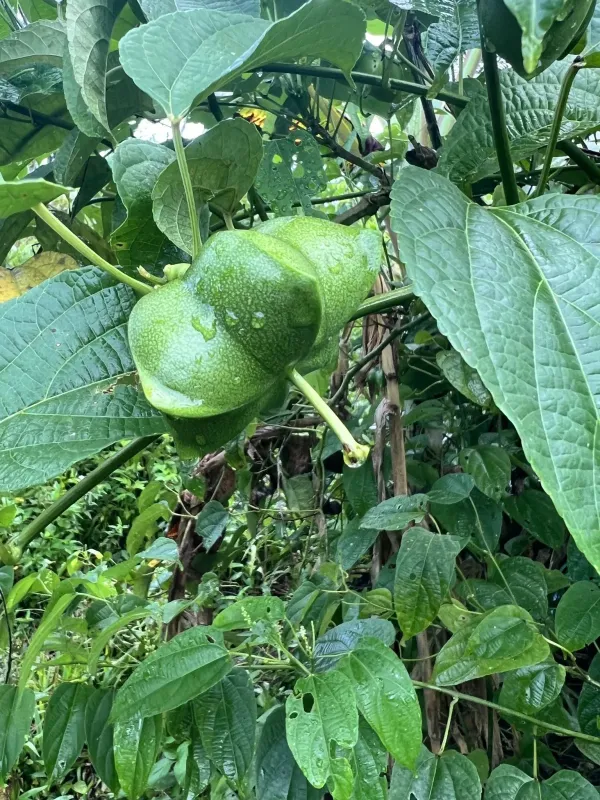
Description
Sowing dates
Sacha inchi, known scientifically as Plukenetia volubilis, is a perennial tropical vine belonging to the Euphorbiaceae family. In industrial farming, it is primarily propagated by seeds, which are sown in nurseries or directly in the field once stable warm weather is established.
The optimal time for sowing in regions with distinct rainy seasons is at the onset of the wet period, which provides seedlings with the necessary moisture for rapid rooting. Seeds show high germination energy at soil temperatures between +22 and +28 degrees Celsius.
When planting in a permanent location, the distance between plants in a row should be from 2 to 3 meters due to the vine's intensive biomass growth. The use of supports or trellises is mandatory, as the plant requires vertical development for proper aeration and light exposure.
Seed planting depth ranges from 2 to 4 centimeters, depending on soil texture and moisture content. Seedlings typically emerge 10 to 15 days after sowing, provided there is adequate irrigation and no significant temperature fluctuations.
Agronomists recommend pre-calibrating seeds, selecting only healthy, large specimens to ensure uniform emergence. Timely sowing allows the plant to strengthen before the onset of intense wind periods, which can damage tender young shoots.
Growing requirements
This crop has high demands regarding climatic conditions, preferring humid tropical zones with temperatures ranging from +18 to +32 degrees Celsius. An essential factor for successful growth is the absence of frost, as the plant is critically sensitive to cold.
Ideal soils for sacha inchi are light, well-drained loams with high organic matter content and a slightly acidic pH (between 5.5 and 6.5). The plant performs poorly in waterlogged soils, which quickly lead to root system rot.
Regular irrigation is necessary during dry spells, though excessive humidity during the fruit maturation phase can negatively impact seed quality. The optimal annual rainfall for cultivation ranges from 1500 to 2500 mm.
Light intensity plays a key role: sacha inchi prefers open, well-lit areas, as shading leads to a sharp decrease in yield and excessive stem elongation. The crop is highly sensitive to strong winds, which is why protective windbreaks are often installed on plantations.
To achieve high productivity, it is necessary to apply organic fertilizers during plantation establishment and provide mineral supplements during the active flowering and fruiting phases. Regular weeding and soil mulching help conserve moisture and suppress weed growth.
Yield
Sacha inchi productivity begins in the second year after planting, with the peak of commercial return occurring between the 3rd and 7th year of the plant's life. Seed yields under industrial conditions can range from 1 to 2 tons per hectare annually.
Biologically, the plant is capable of fruiting almost year-round if stable irrigation and favorable temperatures are maintained. The fruits are large, multi-seeded capsules that require careful handling during harvest to maintain seed integrity.
Sacha inchi seeds are highly valued for their unique composition: the content of omega-3, omega-6, and omega-9 fatty acids can reach 90% of total fat content. This makes the crop a strategically important resource for the food and cosmetic industries.
Adherence to planting density guidelines is crucial for maximizing yields. Sparse plantings may result in wasted space, while overly dense plantings lead to yield losses due to competition for sunlight and airflow.
Agronomic management includes pruning old and diseased shoots to stimulate the growth of new fruit-bearing branches. Proper canopy management allows for a significant increase in the output of high-quality raw material from each individual vine.
Main diseases and pests
Sacha inchi is susceptible to various fungal diseases, the most dangerous being root rot and powdery mildew, which occur when humidity management is neglected. Prevention includes selecting sites with excellent drainage and strict adherence to agrotechnical protocols.
Among pests, various types of caterpillars cause the greatest damage to plantations by feeding on leaves and young fruit ovaries. Regular monitoring of the crops allows for the early detection of infestation hotspots and the implementation of necessary protective measures.
Nematodes can also pose a serious threat to the root system of young plants, especially in soils where related crops were previously cultivated. In such cases, crop rotation and the use of resistant varieties are common strategies.
Sucking pests, such as whiteflies and mites, can damage foliage during hot and dry periods, weakening the plant. The use of biological control methods is preferred to maintain the ecological purity of the final product.
An important aspect of protection is maintaining high plant immunity through proper nutrition. A healthy, well-nourished plant is balanced and capable of independently resisting most pathogens, a fact confirmed by years of agricultural practice.
Harvesting
Harvesting sacha inchi is a labor-intensive process, as the fruits do not ripen simultaneously. Workers must perform selective harvesting, picking only fully mature capsules that have turned dark brown and feel firm to the touch.
Harvested fruits undergo mandatory drying in ventilated rooms or under sunlight to reduce moisture levels to safe values. This step is necessary to prevent mold growth during storage or transport of the raw material.
After drying, the capsules crack easily, allowing for the extraction of the seeds. Mechanizing this process significantly speeds up production but requires caution to avoid damaging the fragile kernel, which contains the valuable oil.
Storage of cleaned seeds should be in a dry, cool place, protected from direct sunlight. The high content of unsaturated fatty acids makes the product sensitive to oxidation, which is why hermetic packaging is essential.
Work organization on the plantation involves a strict harvest schedule, which may repeat every 2–3 weeks depending on the climate zone. Proper harvest and primary processing technology are the keys to obtaining world-class plant oil.