
Watercress
Nasturtium officinale R. Br.
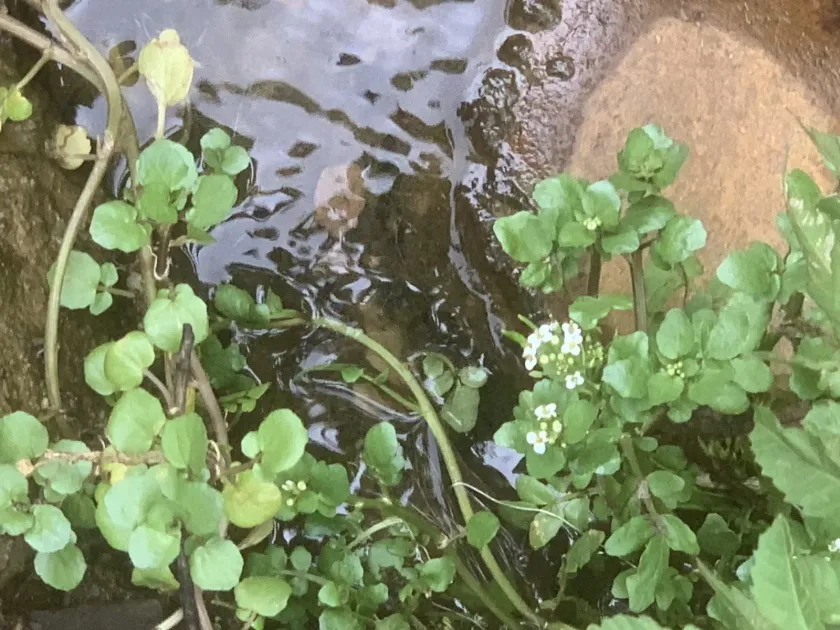
Description
Sowing dates
Watercress (Nasturtium officinale) is a perennial aquatic plant belonging to the Brassicaceae family, highly valued for its peppery, pungent flavor and nutritional density.
Seeds can be sown in early spring or late summer, either directly into moist soil or into dedicated hydroponic systems with slow-moving water.
In commercial agriculture, watercress is frequently propagated through stem cuttings, which significantly reduces the production cycle compared to seed sowing.
When starting from seeds, ensure the medium is kept consistently wet, as the plants require high humidity and constant moisture for successful germination.
Strategic planting ensures a steady supply of greens; under controlled greenhouse conditions, production can be maintained throughout the entire year.
Growing requirements
Watercress thrives in cool, running, and clean water; stagnation is detrimental to the plant as it encourages rot and the buildup of harmful pathogens.
The soil or growing medium should be rich in organic matter and minerals, particularly iron, which is essential for healthy leaf development.
The crop prefers full sun in cooler climates, but during the height of summer, partial shade is necessary to prevent bolting and flavor degradation.
Optimal water temperatures range between 10 and 15 degrees Celsius; significantly warmer temperatures trigger flowering and reduce the culinary quality of the leaves.
Maintaining a water depth of 5 to 10 centimeters is crucial for providing sufficient nutrient uptake and keeping the plant roots submerged.
Main diseases and pests
Common pests include aphids, which cluster on tender stems, and mustard beetles, capable of defoliating entire beds if not managed promptly.
Water-borne diseases and root rots represent a significant threat in systems where water circulation is insufficient or the water source is contaminated.
Slugs and snails are frequent visitors to watercress patches, often causing significant aesthetic damage to the leaves by grazing.
To mitigate threats, maintaining pristine water quality and ensuring proper flow are the most effective preventive measures available to growers.
- Regular inspection of the foliage for early signs of infestation.
- Utilization of netting to protect plants from flying insects.
- Sanitation of water channels to prevent bacterial proliferation.
Harvesting
Harvesting usually begins 6 to 8 weeks after planting, once the plants have established a robust root system and a dense leaf canopy.
The standard method involves trimming the top 10 to 15 centimeters of the stems with sharp shears to encourage continuous regrowth from the base.
Frequent, light harvesting promotes branching and prevents the plant from becoming woody, ensuring a high-quality, tender harvest for future cuts.
Watercress is highly perishable and loses its freshness rapidly; it should be washed, cooled, and stored in high-humidity environments immediately after harvest.
Market-grade product must exhibit uniform dark green leaves, crisp stems, and complete absence of any yellowing or signs of pest damage.