
Common ice plant
Mesembryanthemum crystallinum L.
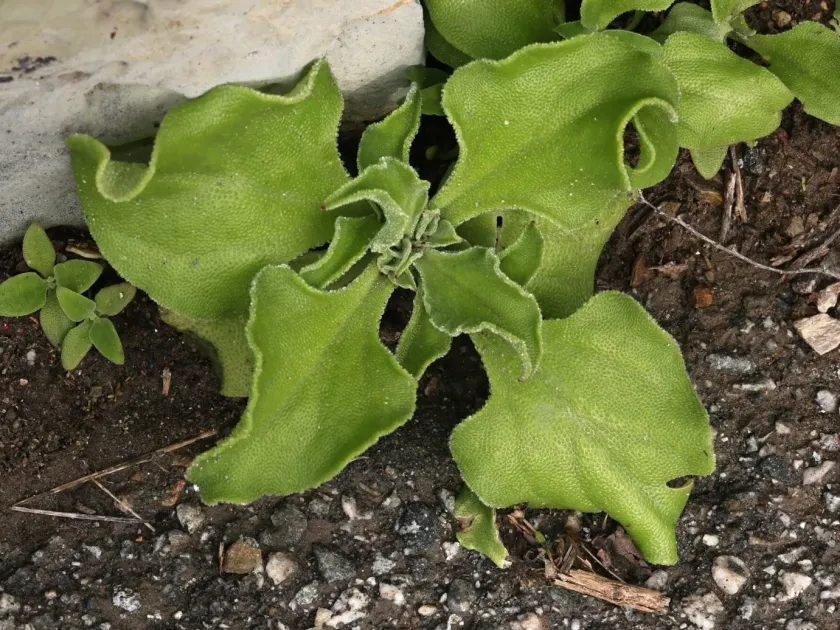
Description
Sowing dates
The Common ice plant is a succulent member of the Aizoaceae family, widely recognized for its crystalline bladder cells. Seeding should occur only after the danger of frost has passed, as the plant is highly sensitive to freezing temperatures.
For optimal results, seeds are started in a well-draining, lightweight medium about two months before the transplant date. The seeds are very small and require light to germinate, so they should be pressed into the surface rather than buried deep.
Maintaining a temperature range of 18–22 degrees Celsius is crucial during the germination phase. Once seedlings emerge, provide ample sunlight to encourage strong, compact growth rather than leggy, fragile stems.
When sowing directly into the field, ensure a spacing of 30–40 centimeters between rows. This allows the spreading habit of the plant to fill the space without creating overly dense clusters that could inhibit airflow.
The plant has a relatively fast growth cycle, allowing for flexible sowing times in temperate regions. Early season sowing ensures that the plant completes its vegetative development before the peak of summer heat.
Growing requirements
As a notable halophyte, this plant thrives in saline soils and coastal environments that are inhospitable to many other crops. It requires full, direct sunlight throughout the day to maintain its unique water-storing bladder cells.
Soil quality must prioritize drainage above all else. Sandy or gravelly soils are ideal, as the plant is prone to root rot if it sits in waterlogged conditions for even a short period of time.
While the species is drought-tolerant, regular irrigation during the early growth stages is essential for producing high-quality edible foliage. Once established, it can handle drier conditions, but moisture consistency ensures better yield.
The crop is well-adapted to high temperatures and intense light. Fertilization should be kept to a minimum, as excessive nitrogen can lead to rapid, weak growth that makes the plant more susceptible to environmental stress.
Mulching the surrounding area with small stones or pebbles can help regulate soil temperature and keep the lower leaves from coming into direct contact with wet soil, thereby preventing premature decay.
Yield
The economic yield of the Common ice plant consists of its succulent leaves and stems, which are harvested for gourmet culinary use. Proper management of plant density and irrigation levels significantly impacts the overall biomass production.
Under intensive cultivation systems, such as greenhouse production with controlled drip irrigation, yield can be maximized per square meter. The plant’s ability to regrow after selective harvesting allows for multiple pickings within a single season.
Yield quality is measured by the turgidity and salt content of the bladder cells on the foliage. Harvesting before the plant enters its full flowering stage is recommended to ensure the best flavor and texture for consumption.
Because the plant naturally absorbs minerals from the soil, the nutrient profile of the yield can be partially influenced by the growing medium. This makes it a unique candidate for specialty agricultural markets focusing on nutrient-dense crops.
Tracking the weight and visual quality of the harvested biomass provides the best metric for assessing the success of the growing season and optimizing future planting strategies.
Main diseases and pests
Fungal pathogens are the primary threat, particularly when humidity is high or ventilation is inadequate. Root rot and damping-off are common issues that necessitate strict water management and well-draining soil structures.
Pests such as aphids and spider mites can infest the succulent leaves during hot and dry spells. These pests damage the integrity of the water-storing cells, leading to a loss of the plant's characteristic aesthetic and edible quality.
Biological pest control methods, such as the introduction of beneficial insects or the use of neem oil, are preferred to maintain the plant's food safety standards. Chemical pesticides should be avoided whenever possible.
Soil-borne nematodes can weaken the root system, causing stunted growth and yellowing of the leaves. Crop rotation is an essential preventive measure to ensure that soil pathogen levels do not build up over consecutive years.
Slugs and snails can be highly destructive to young plants during damp weather, often consuming large portions of the foliage overnight. Implementing physical barriers or organic traps is necessary to mitigate these losses.
Harvesting
Harvesting should be performed early in the day when the plant’s hydration level is at its peak. Using sharp scissors to prune the succulent branches helps minimize tissue damage and prevent the onset of decay.
The harvested product is delicate and highly perishable, requiring immediate cooling and careful storage. Using breathable containers helps maintain freshness while preventing the condensation that can cause the leaves to wilt.
When harvesting for seed collection, the capsules must be allowed to turn brown and dry on the plant. Care must be taken during the process to avoid spilling the tiny seeds before they can be collected and cleaned.
Transporting the crop requires gentle handling to prevent bruising or crushing the succulent stems. Given the plant's fragile nature, packaging must provide adequate protection without restricting necessary airflow.
After the final harvest, the plant residues can be composted, provided they are free from severe disease infestations. Their rapid decomposition adds valuable organic matter back into the soil for future plantings.