
Cardoon
Cynara cardunculus L. subsp. cardunculus
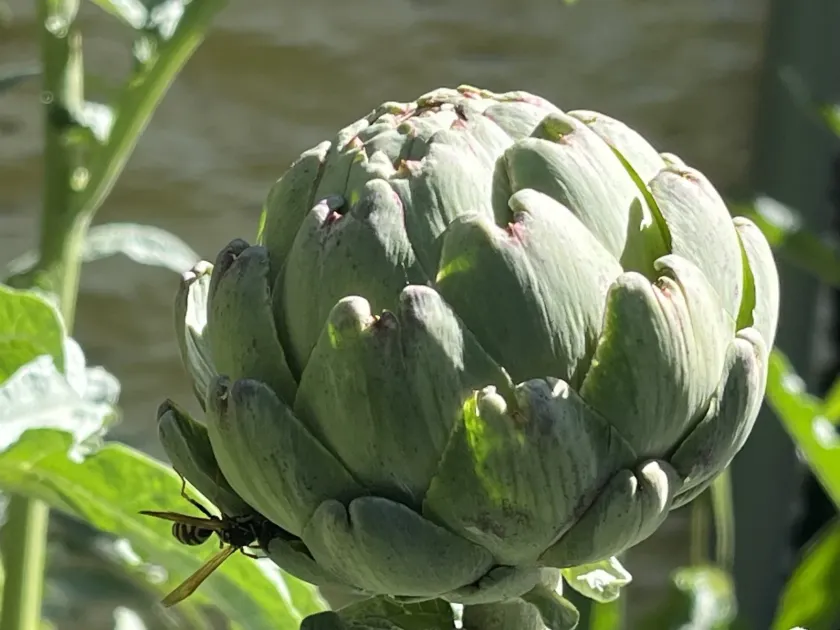
Description
Sowing dates
Cardoon (Cynara cardunculus L. subsp. cardunculus) is a perennial plant in the Asteraceae family, closely related to the globe artichoke. It is typically grown as an annual or biennial crop depending on the regional climate.
Seeds should be started indoors 8–10 weeks before the last expected frost date. Sowing in individual cells is recommended to minimize root disturbance, as cardoon seedlings are sensitive to transplant shock during their early developmental stages.
Transplanting into the garden occurs when the soil has warmed up significantly. Plants should be spaced approximately 3 feet apart to accommodate their large, spreading rosettes of silver-green, serrated leaves which can reach considerable heights.
While seed propagation is common, vegetative propagation via root divisions (suckers) is frequently used to ensure the genetic consistency of the crop, especially when selecting for specific leaf or stalk characteristics.
The optimal germination temperature for cardoon seeds is between 20 °C and 25 °C. Providing sufficient light after emergence is crucial to prevent the seedlings from becoming leggy and weak before their transfer to the open field.
Growing requirements
Cardoon thrives in deep, fertile, well-draining soils rich in organic matter. A neutral to slightly alkaline soil pH is preferred. It requires full sun exposure to produce the best quality stalks and foliage, with at least 6–8 hours of direct light daily.
Water requirements are significant during the peak growing season. Consistent moisture is necessary to ensure tender stalks, yet the soil must never be waterlogged as the roots are susceptible to rot under anaerobic conditions.
Fertilization should be balanced. A compost-heavy base at the time of planting, followed by a mid-season nitrogen-rich application, promotes vigorous leaf growth. For the stalks to be edible, they must be blanched later in the season.
Temperature management is key; cardoon is moderately frost-hardy but can suffer damage in extreme winter conditions. In colder climates, winter protection such as heavy mulching or lifting the roots for cellar storage is necessary.
The plant has a deep taproot system, requiring a well-tilled, deep soil structure. Compaction should be avoided to allow for proper root respiration and efficient nutrient uptake throughout the long growing cycle.
Yield
The primary edible portions of the cardoon are the thick, fleshy leaf stalks (petioles). To improve quality and remove bitterness, the plants undergo a blanching process by excluding light from the stalks for 3–4 weeks before harvest.
Cardoon is a culinary delicacy in many Mediterranean cultures, used in soups, stews, and gratins. Its flavor is reminiscent of artichoke heart, but with a more pronounced nutty profile and earthy undertones.
Beyond culinary use, the plant is a valuable source of compounds for the pharmaceutical industry, including cynarin and inulin, which are studied for their hepatoprotective and prebiotic health benefits.
Marketable yields depend on the blanching technique used. Properly blanched stalks should be crisp, tender, and light-colored, lacking the tough, bitter fibers found in unmanaged plants that have been exposed to sunlight.
The plant also offers high ornamental value. Its architectural form, featuring large, dramatic, silvery-gray foliage and large thistle-like purple flower heads, makes it a popular choice for structured garden designs.
Main diseases and pests
Aphids are the most prevalent pest, often clustering on the undersides of the leaves. They extract sap and can cause leaf distortion, potentially reducing the overall vigor of the plant if left uncontrolled.
Powdery mildew is a common fungal threat, characterized by a white, dusty appearance on the foliage. It thrives in stagnant, humid air, making proper spacing and airflow management essential for disease prevention.
Crown rot and other soil-borne fungal pathogens can occur if the soil remains excessively wet. Ensuring adequate drainage and avoiding overhead irrigation can significantly mitigate these risks during the humid summer months.
Slugs and snails may attack young plants during the spring. Implementing mechanical barriers or using organic-approved molluscicides can protect the developing rosettes from significant tissue damage.
- Regular weeding to reduce competition for nutrients
- Proper crop rotation with non-Asteraceae plants
- Monitoring for pest presence on a weekly basis
- Ensuring good garden hygiene by removing old debris
- Applying preventive bio-fungicides if conditions favor disease
Harvesting
Harvesting usually takes place in late autumn after the blanching process is complete. Stalks are cut at the base of the plant once they have achieved the desired tenderness and lack of bitterness.
The blanching process involves bundling the stalks with straw, cardboard, or opaque fabric, tying them securely to block sunlight. This transition from green to white/pale yellow is a visual indicator that the stalks are ready for consumption.
After cutting, stalks should be handled carefully to avoid bruising. They can be stored in a cool, humid environment (near 0–2 °C) for several weeks, which maintains their crispness before being processed for cooking.
If the plant is grown for seeds, the harvest of the flower heads occurs after the petals have withered and the base turns brown. Seeds must be dried thoroughly to prevent mold during storage in airtight containers.
For sustainable production, the heart of the plant should be left undisturbed if the intention is to allow the rootstock to survive the winter, though in commercial systems, the entire plant is often harvested as a single unit.