
Globe artichoke
Cynara cardunculus L.
Description
Sowing dates
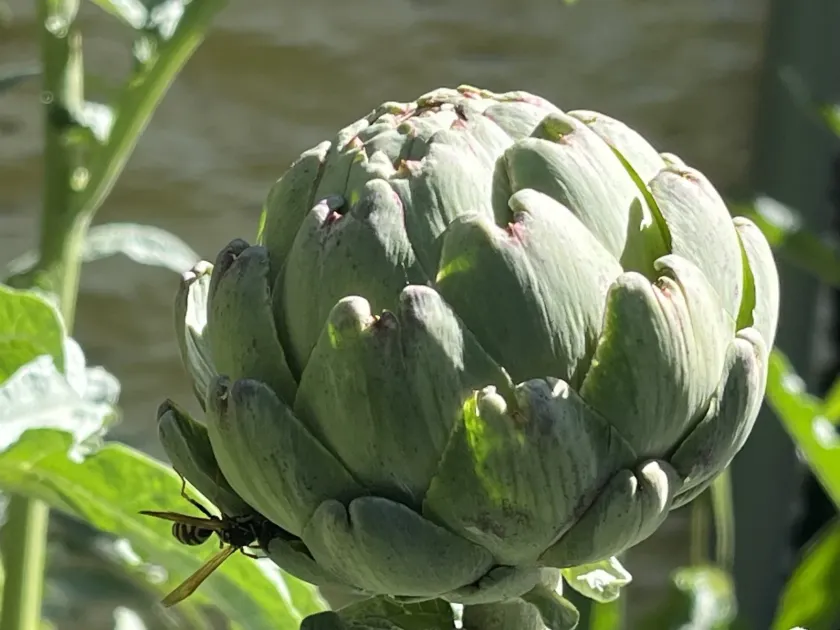
Globe artichoke (Cynara cardunculus L.) is a perennial herbaceous plant from the Asteraceae family. While it is native to the Mediterranean, it is grown globally in regions with mild winters or as an annual crop in cooler climates.
In temperate zones, growers typically start seeds indoors 8 to 10 weeks before the last expected frost date. Proper timing is crucial to ensure the plant develops enough vigor before the growing season ends.
Seeds should be sown in well-draining potting soil and kept at a temperature between 20°C and 25°C to ensure uniform germination. Once seedlings emerge, provide ample light to prevent leggy growth.
Hardening off the seedlings is a vital step before transplanting into the field. This process gradually acclimatizes the plants to outdoor temperatures and wind, reducing transplant shock.
Transplanting should occur once the soil has warmed up. Space the plants 1 to 1.5 meters apart to accommodate their expansive growth habit, which is essential for maximizing light exposure and airflow.
Growing requirements
The globe artichoke thrives in a Mediterranean climate, preferring full sun and moderate temperatures. It is sensitive to extreme frost, which can cause significant damage to the crown and root system.
The soil must be deep, fertile, and rich in organic matter. A well-drained loamy soil is ideal, as waterlogged conditions lead to rapid root decay and plant decline.
Regular irrigation is essential, especially during the bud-forming stages. Drought stress during this period can result in small, tough, and low-quality buds that are unmarketable.
Nutrient management involves applying balanced fertilizers high in nitrogen and potassium to support lush vegetative growth and healthy bud formation throughout the season.
Maintaining a weed-free environment is important for the artichoke’s health. Mulching helps control weed growth while simultaneously retaining moisture in the root zone during hot summer months.
Yield
Yield capacity is influenced by the variety chosen and local environmental conditions. A well-managed plantation can produce several thousand kilograms per hectare of high-quality artichoke hearts.
The primary use of the crop is as a culinary vegetable, prized for its immature flower buds. Beyond food, it is widely utilized in the pharmaceutical and food supplement industries.
Artichoke plants typically reach their maximum productivity between the second and third years of life. After this period, vitality usually declines, necessitating field renovation.
The quality of the harvest depends on the timing of the cut. Buds should be harvested when the bracts are tight and firm, indicating peak freshness and tenderness.
Successful producers employ sequential harvesting methods, regularly monitoring the field to ensure no buds become over-mature, which would render them inedible.
Main diseases and pests
Aphids are the most common pests affecting artichoke plantations, particularly attacking the underside of leaves and developing flower buds, which can stunt the plant's growth.
Crown rot is a significant disease often caused by poor drainage or excessive soil moisture. It is best managed through careful irrigation and by planting on raised beds.
Powdery mildew can infect leaves in humid conditions, appearing as a white dusty coating. Proper spacing is the best cultural control to ensure good air circulation around the plants.
Slugs and snails can cause damage to younger plants, especially during damp seasons. Traps and physical barriers are often employed as part of an integrated pest management strategy.
Because the harvested buds are consumed directly, chemical pesticides must be used with extreme caution, prioritizing biological control and sustainable farming practices.
Harvesting
Harvesting globe artichoke is a delicate process performed by hand. The buds are cut with a short section of the stem to maintain structural integrity during transport.
The best time to harvest is during the cool morning hours to maximize moisture content in the tissue, which helps the buds remain crisp and firm for longer periods.
Post-harvest management is critical; buds should be cooled quickly in a refrigerated environment to lower their respiration rate and prevent premature browning or drying.
Storage conditions are vital for freshness. Keep the artichokes at temperatures near 0°C with high relative humidity to minimize weight loss and texture degradation.
Removing old stems after harvest stimulates the plant to produce secondary side-shoots, potentially extending the total harvest duration in climates with long growing seasons.