
Winter melon
Benincasa hispida (Thunb.) Cogn.
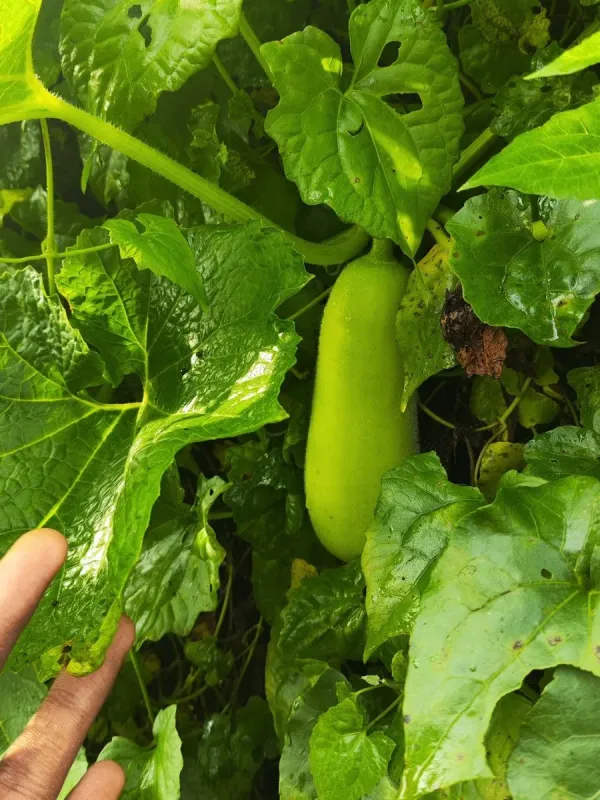
Description
Sowing dates
Winter melon is a highly heat-demanding crop, so seeds should be sown only when the soil has warmed up significantly and the risk of late frosts has completely passed.
In regions with shorter summers, it is highly recommended to start seedlings indoors in peat pots about a month before the planned outdoor planting to ensure a longer growing season.
The seeds have a hard outer coat, so pre-soaking them in warm water for several hours or overnight can significantly improve the germination rate and ensure uniform emergence.
When transplanting into the garden, it is crucial to handle the root ball with extreme care, as the plant is sensitive to root disturbance and may suffer from transplant shock.
Space the plants at least 1 to 1.5 meters apart if trailing on the ground, or closer if utilizing a sturdy trellis system, which allows the long vines to climb and flourish vertically.
Growing requirements
This crop thrives in full sun and requires a location that receives at least 6 to 8 hours of direct sunlight daily to maximize photosynthesis and fruit development.
The ideal soil is well-draining, rich in organic matter, and slightly alkaline, with a pH level between 6.0 and 7.5 to support healthy vegetative and reproductive growth.
Consistent moisture is essential for winter melon, especially during the flowering and fruit-setting stages, but stagnant water must be avoided to prevent root and stem rot.
Providing a strong trellis is highly beneficial, as keeping the fruit off the damp soil prevents rotting and ensures the melons develop a uniform shape and healthy waxy coat.
Regular feeding with a balanced fertilizer or compost tea during the active growing phase will provide the necessary nutrients for the development of large and healthy gourds.
Yield
Under optimal growing conditions, a single healthy winter melon vine can produce several heavy fruits, which are prized for their longevity and nutritional value.
The most distinctive feature of the winter melon is its exceptional shelf life; a mature, waxy fruit can last for up to a year when stored in a cool, dry, and dark environment.
The size of the fruit can vary widely depending on the variety and care, ranging from small individual servings to massive gourds that can weigh over 10 kilograms.
Harvested at different stages of maturity, the fruit is extremely versatile in the kitchen, used in everything from traditional soups and stir-fries to refreshing juices and desserts.
The total yield is maximized by proper pruning of excess foliage, which directs the plant's energy toward developing high-quality fruits rather than producing too much vine mass.
Main diseases and pests
The primary diseases affecting winter melon are powdery mildew and downy mildew, both of which thrive in high humidity and are best managed by ensuring good airflow.
Pests such as aphids, spider mites, and squash bugs can quickly infest the vines, leading to foliage damage and potential transmission of viral diseases that stunt growth.
Integrated pest management, including the use of organic neem oil or insecticidal soaps, is effective in keeping pest populations under control without contaminating the fruit.
Crop rotation is a fundamental practice; avoid planting winter melon or other cucurbits in the same spot for at least three years to prevent the buildup of soil-borne pathogens.
Maintaining a clean garden by removing weeds and diseased plant debris significantly reduces the habitat for pests and pathogens that could otherwise compromise the crop.
Harvesting
Harvesting should take place when the fruit is fully mature, indicated by the development of a thick, powdery white wax layer that covers the entire surface of the melon.
Use a sharp knife or garden shears to cut the fruit from the vine, leaving a few centimeters of the stem attached to prevent the entry of moisture and rot into the fruit.
Handle the melons gently after harvest to avoid bruising or scratching the skin, as damage to the protective wax layer can drastically reduce their storage potential.
After harvesting, keep the fruits in a shaded, well-ventilated area for a few days to allow the skin to cure and harden properly before moving them to long-term storage.
Store the winter melons in a cool, dark room with moderate humidity, ensuring they are not stacked on top of each other to allow proper air circulation around each fruit.