
Wood ear mushroom
Auricularia auricula-judae (Fr.) Quél.
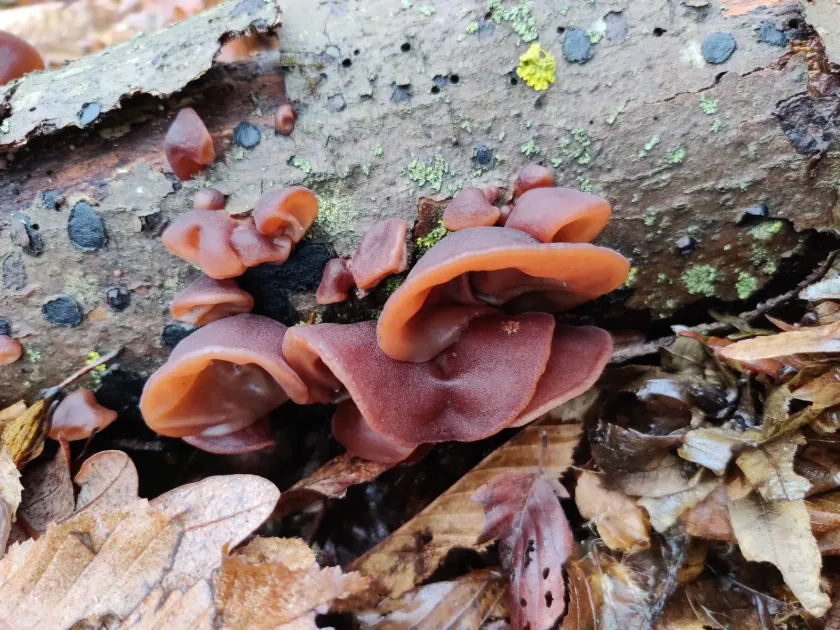
Description
Sowing dates
Auricularia auricula-judae is a wood-rotting fungus belonging to the Auriculariaceae family, widely cultivated for its culinary and medicinal properties.
Cultivation involves inoculating a prepared substrate, typically composed of hardwood sawdust, straw, or wood logs, with high-quality mycelium spawn.
The incubation phase requires a controlled environment with specific temperature ranges to allow the mycelium to fully colonize the substrate blocks.
During the spawning process, sterility is of paramount importance to prevent competitive mold contamination which can devastate the production.
Advanced farming systems often use sterilized polypropylene bags containing a nutritional mix to optimize the growth cycle of the fungi.
Growing requirements
High humidity levels, ranging between 85% and 95%, are essential to prevent the delicate fruiting bodies from drying out during development.
Temperatures should be kept between 22–26 degrees Celsius during the vegetative phase and adjusted downwards to 15–20 degrees for fruiting.
Proper ventilation is vital to maintain low carbon dioxide levels, which encourages the formation of healthy and well-structured fruiting bodies.
Diffused light is required to trigger the development of the mushrooms, but direct sunlight must be strictly avoided to prevent thermal damage.
The substrate must have an appropriate pH level between 5.0 and 6.5 to support the metabolic activities of the fungal mycelium.
Yield
Productivity levels depend on the substrate quality and environmental control, typically yielding 20–30% of the dry weight of the substrate blocks.
Efficient management allows for multiple harvest waves, significantly increasing the overall output per production cycle in a commercial setup.
Supplementing the substrate with nitrogen-rich additives, such as wheat bran, can boost yields but requires careful monitoring to prevent contamination.
Staggered inoculation schedules help ensure a consistent supply of mushrooms throughout the year for market demand.
Professional monitoring of the fruiting environment helps maintain uniform mushroom size and texture, which are essential for quality grading.
Main diseases and pests
The most common and destructive threat to wood ear cultivation is the Trichoderma mold, which can rapidly overgrow and destroy the substrate.
Bacterial blotch caused by Pseudomonas bacteria often arises from poor air circulation and excessive surface moisture on the mushrooms.
Fungus gnats (Sciarids) can pose a significant problem, as they act as vectors for various pathogens and physically damage the growing mycelium.
Mite infestations can occur in poorly sanitized environments, leading to stunted growth and reduced yields in the affected production units.
Effective management relies on strict sanitation protocols and the use of pest-resistant growing practices to minimize chemical intervention.
Harvesting
Harvesting is performed when the fruiting bodies reach their optimal size and maintain their characteristic rubbery, elastic texture.
Mushrooms are carefully trimmed from the substrate surface, taking care to minimize damage to the block and ensure future growth cycles.
Immediate post-harvest cooling is recommended to maintain the fresh quality and extend the shelf life of the wood ear mushrooms.
Dried products represent a major market segment, as the mushrooms rehydrate well, retaining their unique texture and nutritional value.
Proper documentation of harvest cycles helps in tracking the productivity of individual blocks and optimizing future crop management.