
Black wood ear
Auricularia heimuer F.Wu, B.K. Cui & Y.C. Dai
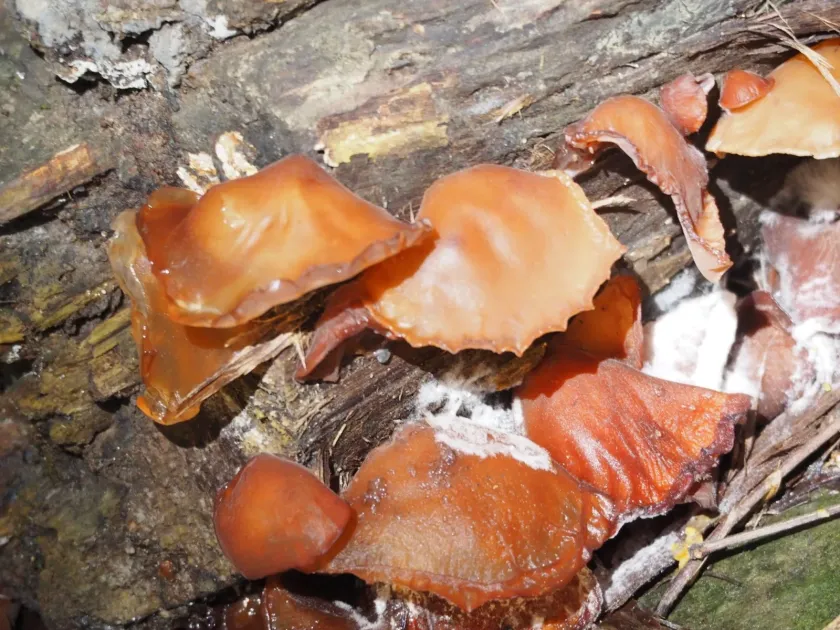
Description
Sowing dates
Black wood ear (Auricularia heimuer) is a highly valued fungus belonging to the Auriculariaceae family. Commercial production relies on preparing a high-quality spawn inoculated into a sterilized substrate.
The substrate typically consists of hardwood sawdust mixed with wheat bran or rice bran to provide necessary nitrogen for fungal growth. The mixture is adjusted for moisture and pH levels.
Inoculation is performed in a cleanroom environment to prevent contamination from airborne molds or bacteria, which are the primary threats to successful colonization.
The incubation stage lasts from 30 to 45 days, requiring a stable dark environment at temperatures between 22°C and 26°C to ensure the mycelium fully permeates the substrate blocks.
Once the blocks are fully colonized, they are moved to a grow room where controlled environmental triggers, such as light and humidity, initiate the pinhead formation.
Growing requirements
High humidity, typically maintained between 85% and 95%, is essential for the healthy development of Auricularia heimuer fruit bodies to prevent drying and cracking.
The optimal temperature for fruit body development ranges from 15°C to 25°C. Consistent ventilation is crucial to lower CO2 levels, as excessive carbon dioxide causes malformed stems.
Indirect, diffused light is necessary during the growth phase to ensure proper pigmentation and texture of the wood ear mushrooms.
Water quality is of utmost importance; misting systems must utilize purified water free of chlorine and heavy metals to ensure the safety of the final food product.
Strategic management of the microclimate, including air exchange frequency and moisture cycles, allows for consistent and high-quality year-round production.
Yield
Yield efficiency for black wood ear depends heavily on the substrate recipe and environmental control. An average yield ranges from 300 to 400 grams per kilogram of substrate.
Harvesting usually occurs in several flushes. The first flush is generally the most productive, followed by second and third flushes, provided the block integrity remains intact.
Growers often use a cold-shock technique to stimulate the development of subsequent flushes, ensuring that the mycelium remains productive throughout the block's lifespan.
Optimization of nitrogen supplements in the sawdust medium is a primary strategy for increasing the biomass and size of the individual fruit bodies.
Commercial operations manage cycles to ensure a steady supply to the market, as the dried product maintains a high global demand due to its culinary and medicinal properties.
Main diseases and pests
Competitor molds, such as Trichoderma, pose the most significant threat to the substrate blocks if sterilization protocols are not strictly followed.
Pests like fungus gnats (sciarids) can infest the growing rooms, damaging the developing fruit bodies and acting as vectors for bacterial and fungal infections.
Bacterial blotch is a common issue caused by excess water and poor air circulation, resulting in slime formation on the surface of the wood ear mushrooms.
- Strict sanitation and disinfection of all growing chambers.
- Use of high-efficiency particulate air (HEPA) filters in ventilation systems.
- Quarantine and prompt removal of any blocks showing signs of contamination.
Integrated pest management, focusing on prevention and hygiene, remains the cornerstone of any successful industrial wood ear mushroom farm.
Harvesting
Black wood ear mushrooms are harvested when they reach full maturity, just before the edges start to lose their crispness or exhibit signs of degradation.
Careful harvesting involves cutting the mushroom at the base with a clean, sharp blade to ensure the mycelium surface remains undamaged for future flushes.
Freshly harvested mushrooms are usually processed immediately by drying in industrial dehydrators at temperatures ranging from 40°C to 50°C to preserve quality.
The dried product is extremely stable and shelf-durable, returning to its original texture and size upon rehydration, which is a key advantage for logistics.
Proper handling after the harvest is vital to prevent mechanical bruising, as the fruit bodies can be brittle and susceptible to rapid darkening if mishandled.