
Auricularia polytricha
Auricularia polytricha (Mont.) Sacc.
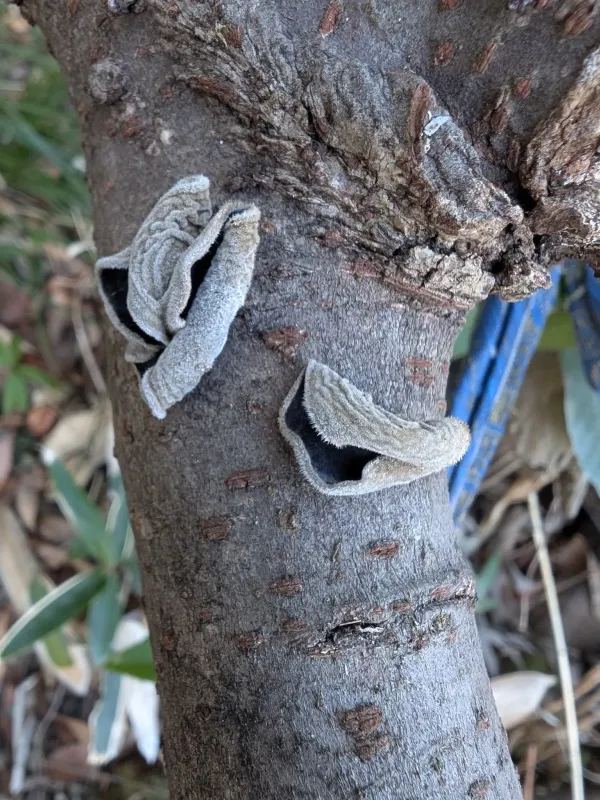
Description
Sowing dates
Auricularia polytricha, commonly referred to as the wood ear or cloud ear fungus, belongs to the Auriculariaceae family. It is a wood-decay fungus typically cultivated on hardwood sawdust or straw-based substrates.
Cultivation begins with the inoculation of a prepared substrate block using high-quality grain spawn. This process must be conducted under sterile conditions to prevent contamination from competing molds.
The substrate is usually composed of hardwood sawdust, agricultural by-products, and nutritional supplements like bran to encourage rapid mycelial growth and ensure high nutrient availability.
Incubation lasts between 30 to 45 days, during which the mycelium completely colonizes the substrate block in a dark, temperature-controlled environment ranging from 22 to 25 degrees Celsius.
Once the blocks are fully colonized, they are moved to a fruiting chamber where environmental triggers like fresh air and humidity changes induce the formation of primordia.
Growing requirements
High humidity is essential for the development of Auricularia polytricha, requiring levels between 85% and 95%. Fluctuations in humidity can lead to the deformation or drying out of the mushrooms.
The optimal temperature range for the fruiting stage is between 18 and 25 degrees Celsius. Extreme temperatures outside this range can severely impact the quality and development rate of the fruit bodies.
Indirect lighting is necessary for 8 to 10 hours daily. Light exposure is critical for the proper orientation of the fungus and for achieving its signature deep color.
Efficient ventilation is a priority, as the fungus releases significant amounts of CO2. Poor air circulation results in elongated stems and reduces the overall quality of the harvest.
Substrate purity is more important than soil health for this species, as it relies on dead organic wood matter rather than soil minerals to obtain its necessary nutrients.
Yield
The average yield of Auricularia polytricha is approximately 20–30% of the dry weight of the substrate. Proper management allows for multiple harvesting waves over several months.
The first flush is typically the most productive. Subsequent waves can be sustained through proper block maintenance and hydration, though yields may slightly decline in later stages.
Maximizing total yield requires consistent environmental control and the use of high-vigor spawn strains that are specifically bred for commercial-scale production.
Management of the substrate block density and the nutritional balance of additives directly correlates with the final weight and quality of the produced fungi.
Commercial output can be marketed as fresh, dried, or pickled products, providing versatility and value for growers targeting various segments of the food industry.
Main diseases and pests
Common pests include fungus gnats and sciarid flies. Their larvae can quickly compromise the integrity of the substrate blocks and destroy the developing mushroom structures.
The most prevalent disease in cultivation is green mold (Trichoderma), which thrives in conditions where sterile practices are neglected or humidity is poorly managed.
Bacterial blotch is another concern, often resulting from excessive moisture on the fruit bodies and inadequate air exchange, causing the tissues to soften and spoil.
Mites can act as vectors for various pathogens, potentially introducing viruses or competing fungi into the fruiting chamber, leading to significant crop losses.
Strict sanitation protocols, including the thermal sterilization of all substrate materials, remain the most effective defense against the most common fungal diseases.
Harvesting
Harvesting should occur when the fruit bodies are fully expanded but before the edges begin to curl upwards, ensuring the best texture for consumption.
Mushrooms are harvested by hand, typically by twisting or cutting them cleanly at the base to ensure that no debris is left behind, which could harbor future decay.
Following the harvest, the substrate surface should be cleared of any remnants of the fungus to prepare the block for the next wave of development.
The harvested product must be handled with care due to its thin and fragile nature, especially when intended for the fresh market to avoid bruising.
Drying is an excellent method for preserving Auricularia polytricha, as it maintains its culinary characteristics and shelf life for extended periods after the harvest.