
Aphanothece sacrum
Aphanothece sacrum (Suringer) Okada
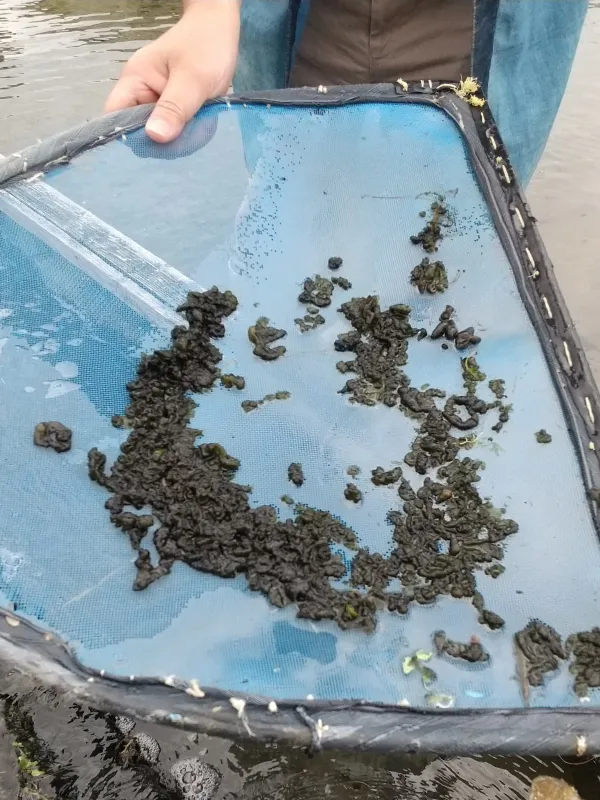
Description
Growing requirements
Aphanothece sacrum is a species of cyanobacteria classified within the Synechococcaceae family. It is primarily found in the pristine spring waters of Japan, specifically in the Kyushu region.
The organism is scientifically significant for its production of sacran, an extracellular polysaccharide with exceptional moisture-retention properties. This makes the algae a high-value commodity for modern industry.
Cultivation requires specific environmental parameters, including cool, mineral-rich, and constantly flowing water. Precise temperature management is essential to prevent physiological stress in the colony.
Techniques for large-scale production involve the development of artificial channels that mimic natural mountain stream ecosystems. Sunlight regulation is also a critical component of the daily agricultural routine.
Beyond its traditional use in Japanese cuisine, the algae is increasingly farmed for pharmaceutical and cosmetic applications due to the healing and hydrating potential of its unique polymers.
Main diseases and pests
The primary threat to Aphanothece sacrum health is the overgrowth of invasive algal species that compete for essential minerals and solar exposure.
Water quality degradation, particularly from chemical runoff or nitrogen contamination, poses a severe risk to the purity and survival of the cyanobacterial population.
Microbial pathogens can exploit the gelatinous surface of the algae, leading to rapid decay if the water flow is restricted or if the system becomes stagnant.
Temperature fluctuations outside the optimal range can lead to inhibited growth rates, making the colonies more susceptible to opportunistic diseases.
Strict biosecurity measures, such as monitoring the microbial flora in the water supply, are necessary to ensure a high-quality harvest throughout the season.