
Lemon verbena
Aloysia citrodora Paláu
Description
Sowing dates
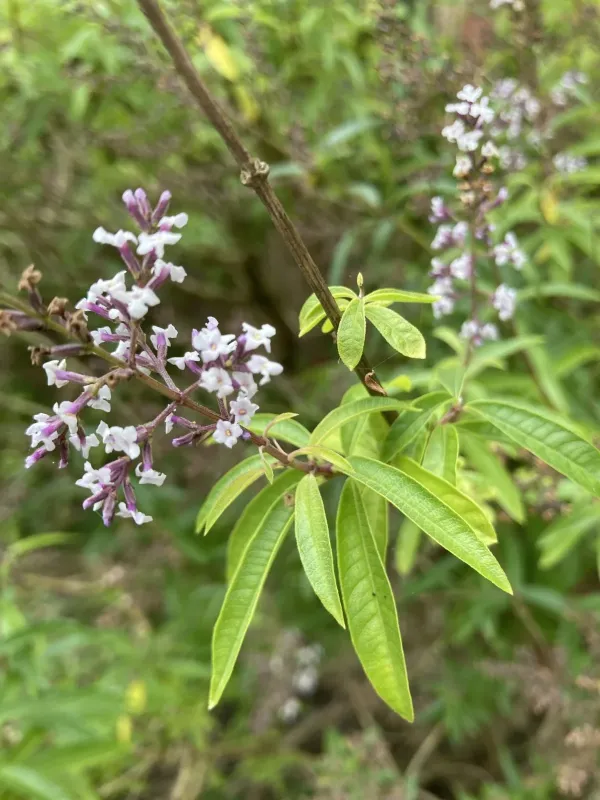
Lemon verbena (Aloysia citrodora) is a woody shrub in the Verbenaceae family, widely cultivated for its fragrant, lemon-scented leaves. In commercial farming, propagation is primarily done through stem cuttings.
Cuttings are best taken in the spring from healthy parent plants. These are rooted in a well-draining, sterile growing medium to ensure high success rates and prevent stem rot during the critical establishment phase.
While seed propagation is possible, it is less common due to the low germination rate and genetic variability. If seeds are used, they require a stratification period to improve uniformity of emergence.
Transplanting into the field is carried out once the danger of frost has passed. Lemon verbena is extremely sensitive to cold and requires stable, warm temperatures to establish its root system efficiently.
Strategic plant spacing is essential for mechanical maintenance and air circulation. Proper spacing prevents microclimate humidity buildup, which is a major precursor to foliage diseases in dense plantations.
Growing requirements
Originating from South America, lemon verbena thrives in full sun exposure. It requires at least 6-8 hours of direct sunlight daily to maximize the synthesis of volatile oils in the foliage.
The crop prefers fertile, well-draining, and slightly loamy soils. It cannot tolerate waterlogged conditions, which lead to root asphyxiation and rapid decline of the crop vigor.
Regular irrigation is vital during the growing season. The goal is to keep the soil consistently moist but never saturated. In drought-prone areas, drip irrigation is the preferred method for this crop.
The plant performs best in temperatures between 20°C and 30°C. If temperatures drop consistently below 5°C, the plant enters dormancy or sustains cold injury, necessitating protective measures.
Fertilization regimes should focus on a balanced NPK ratio during the early growth phase. High nitrogen levels during the late season should be avoided to prevent frost-sensitive soft growth before winter.
Yield
Yield in lemon verbena is measured by the total weight of dried or fresh leaf material. Intensive pruning methods are used to stimulate branching and increase the total harvestable surface area.
Commercial yields are influenced by the plant's age, with the second and third years typically providing the highest production of essential oils. Proper pruning extends the productive lifespan of the shrub.
The chemical composition of the leaves is highly dependent on environmental conditions. Factors like solar intensity and water management significantly alter the concentrations of citral and other secondary metabolites.
Optimized harvest frequency allows for multiple cuts per season in warmer climates. Each cut is followed by a light application of nutrients to support rapid regrowth of the biomass.
Post-harvest management is the most critical stage for yield value. The rapid removal of moisture through controlled drying ensures that the essential oil content remains stable for market use.
Main diseases and pests
Common agricultural pests for lemon verbena include spider mites and whiteflies. These pests thrive in dry environments and can quickly multiply, leading to leaf drop and decreased photosynthesis.
Aphids are another frequent threat, particularly on new growth. Their feeding damage causes curling and deformation of leaves, which lowers the aesthetic and commercial quality of the harvested product.
Fungal pathogens such as root rot (Phytophthora) and powdery mildew can occur if sanitation is poor or soil drainage is insufficient. These are best managed through preventive cultural practices.
Integrated Pest Management (IPM) is encouraged. Because the foliage is often used for human consumption, biological control agents such as predatory mites are preferred over synthetic pesticides.
Field sanitation, including the removal of dead plant material and the use of healthy, disease-free starting stock, is fundamental to reducing the need for chemical intervention.
Harvesting
Harvesting is performed by cutting the stems, ideally leaving several lower nodes to ensure the plant can regenerate efficiently. This process is typically done during the peak flowering stage.
The timing of the harvest is crucial, with early morning being the best time. Harvesting early preserves the peak concentration of essential oils before they are dissipated by the midday heat.
Once gathered, the branches should be kept cool and dry. Prolonged exposure to sunlight after cutting will significantly reduce the essential oil content, which is the product's primary value.
Drying is conducted in specialized climate-controlled sheds or dark, well-ventilated areas. Temperatures must be regulated to ensure that the delicate aromatic compounds do not evaporate during the drying process.
After reaching the desired moisture content, the leaves are stripped from the woody stems. The final product is then packaged in moisture-proof containers to maintain its potency for commercial distribution.